Glossary of nursery and seed catalog terms
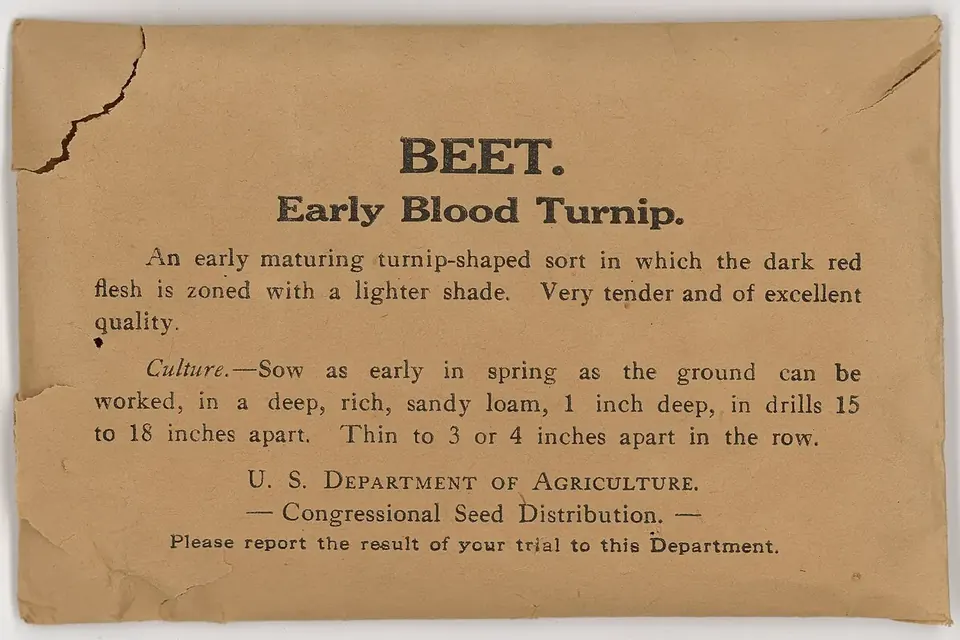
Garden catalogs are written for ordinary gardeners, but they use a working vocabulary of their own. These definitions are written for this almanac and explain the terms you are most likely to meet when ordering seeds, bulbs and plants by mail.
A
- Annual
- A plant that completes its life cycle, from seed to flower to seed, in one growing season. Some plants sold as annuals are perennials in warmer zones.
- All-America Selections (AAS)
- An independent, non-profit organisation that trials new flower and vegetable varieties at gardens across North America; catalogs often mark winners.
- Amendment
- Material mixed into soil to improve its structure or fertility, such as compost.
B
- Bare-root
- A dormant plant dug and shipped without soil around its roots, common for roses, fruit trees, berries, asparagus and many perennials. See bare-root plants by mail.
- Biennial
- A plant that grows leaves in its first year and flowers, sets seed and dies in its second, such as foxglove, parsley or carrot grown for seed.
- Bolting
- Premature flowering, usually triggered by heat or long days, which makes crops such as lettuce and spinach bitter.
- Bulb
- Strictly, an underground storage organ made of fleshy scales, as in tulips and onions. Catalogs use "bulbs" loosely to include corms, tubers and rhizomes.
- Bush (determinate) tomato
- A tomato that grows to a set size and ripens much of its crop over a short period; suits containers. Compare indeterminate.
C
- Chill hours
- The amount of winter cold, often counted as hours between about 32°F and 45°F, a fruit variety needs to flower and fruit well. Low-chill varieties suit warm-winter regions.
- Corm
- A swollen underground stem base, as in crocus and gladiolus.
- Cotyledons
- The first "seed leaves" a seedling produces, usually different in shape from its true leaves.
- Cultivar
- A cultivated variety selected and maintained by people, written in single quotes after the botanical name, for example Echinacea purpurea 'Magnus'.
D
- Damping off
- A fungal disease that makes young seedlings collapse at the soil line; prevented with clean containers, sterile mix and good air flow.
- Days to maturity
- The approximate time from sowing, or from transplanting for crops usually started indoors, to first harvest. Check which the catalog means.
- Deadheading
- Removing spent flowers to encourage more blooms or prevent self-seeding.
- Dormant
- Alive but not actively growing; the state in which bare-root plants and bulbs are shipped.
- Direct sow
- To sow seed where the plant will grow, rather than starting it indoors.
E
- Eye
- A growth bud on a tuber, crown or rhizome, as on potatoes, peonies or dahlias; sizes of divisions are often sold by number of eyes.
- Everbearing / day-neutral
- Strawberry or raspberry types that fruit over a long season rather than in a single flush (June-bearing).
F
- F1 hybrid
- The first generation from crossing two distinct parent lines. F1 plants are uniform and often vigorous, but seed saved from them will not reliably grow true to type.
- Fan
- A division of plants such as daylilies or irises, with a fan of leaves on one crown; nurseries sell by number of fans.
- Full sun / part shade
- Usually at least six hours of direct sun a day for full sun; roughly three to six hours, or filtered light, for part shade.
G
- Germination rate
- The percentage of seeds in a test that sprouted. US federal seed rules set germination standards for vegetable seed; packets below standard must say so.
- Grafted
- A plant made by joining a chosen variety (the scion) onto the roots of another (the rootstock).
H
- Hardening off
- Gradually exposing indoor-raised seedlings to outdoor sun, wind and temperature over a week or two before planting out.
- Hardiness zone
- An area defined by its average annual extreme minimum winter temperature, in 10°F zones split into 5°F half zones ("6a", "6b") on the USDA map. See zones and shipping seasons.
- Heirloom
- An open-pollinated variety with a long history of being saved and passed on. There is no single legal definition; many catalogs use 50 years or more as a guide.
- Heel in
- To store bare-root plants temporarily in a trench, roots covered with soil or mulch, until they can be planted.
L
- Liner
- A young plant grown in a small pot or cell, sold for growing on; also used loosely for plugs.
M
- Mature size
- The expected height and spread of a plant when fully grown, the most useful number for spacing.
N
- Native
- A plant that occurs naturally in a region. "Native to North America" is broad; regional or local natives are usually better adapted to local wildlife and conditions.
- Naturalising
- Spreading and coming back year after year without help, used of bulbs such as daffodils and crocus.
O
- Open-pollinated (OP)
- Pollinated by wind, insects or the plant itself; seed saved from OP varieties grows true to type, provided the plants were not cross-pollinated by another variety.
- Organic seed
- Seed produced under the USDA National Organic Program and certified by an accredited certifier.
P
- Pelleted seed
- Seed coated in a clay-like layer to make tiny seeds easier to sow; it needs consistent moisture to germinate.
- Perennial
- A plant that lives for three years or more. "Herbaceous" perennials die back to the ground in winter.
- Plug
- A young plant grown in a small, tapered cell of a tray, sold in flats. See plugs, liners and potted plants.
- Pollinizer
- A compatible variety planted nearby to supply pollen for fruit trees that are not self-fertile.
R
- Rhizome
- A horizontal underground stem, as in bearded iris and ginger.
- Rootstock
- The root system onto which a fruit tree or rose is grafted. For fruit trees it largely decides the mature size and how soon the tree bears.
S
- Self-fertile
- Able to set fruit with its own pollen, without a second variety.
- Succession sowing
- Sowing small amounts of a crop every few weeks for a continuous harvest.
- Stratification
- A period of cold, moist conditions some seeds need before they will germinate, imitating winter.
T
- Treated seed
- Seed coated with a fungicide or other pesticide to protect it in the soil. It must be labelled as treated; it is not allowed in certified organic growing.
- Tuber
- A swollen underground stem or root that stores food, as in potatoes or dahlias.
- True leaves
- The leaves that follow the cotyledons and look like the adult plant's leaves; a common signal for transplanting seedlings.
V
- Variety
- In catalogs, usually the same as cultivar: a named selection of a plant.
- Vining (indeterminate)
- Plants such as indeterminate tomatoes, pole beans and some squash that keep growing and need support.
Z
- Zone range
- The span of hardiness zones in which a perennial, shrub or tree is expected to survive winter, such as "zones 4–8". The upper number is a hint about summer heat as well.
Sources
- USDA Agricultural Research Service, USDA Plant Hardiness Zone Map.
- Federal Seed Act regulations, 7 CFR § 201.29 (germination standards and "Below Standard" labelling of vegetable seed in small containers).
- USDA Agricultural Marketing Service, National Organic Program.
- All-America Selections, all-americaselections.org.
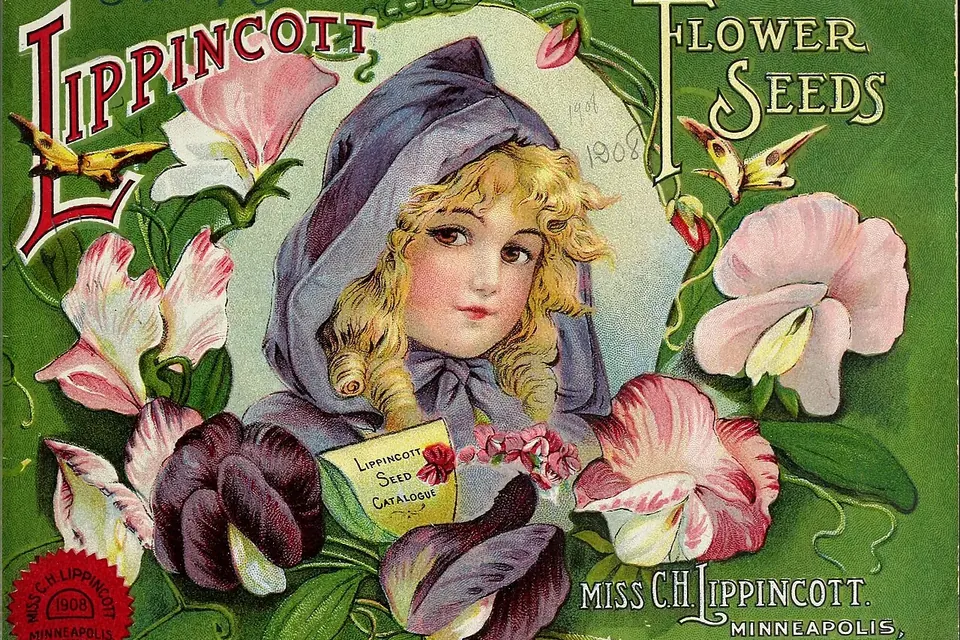 Seeds & saving
How to read a seed catalog
Days to maturity, F1 or open-pollinated, disease codes and what the packet must tell you.
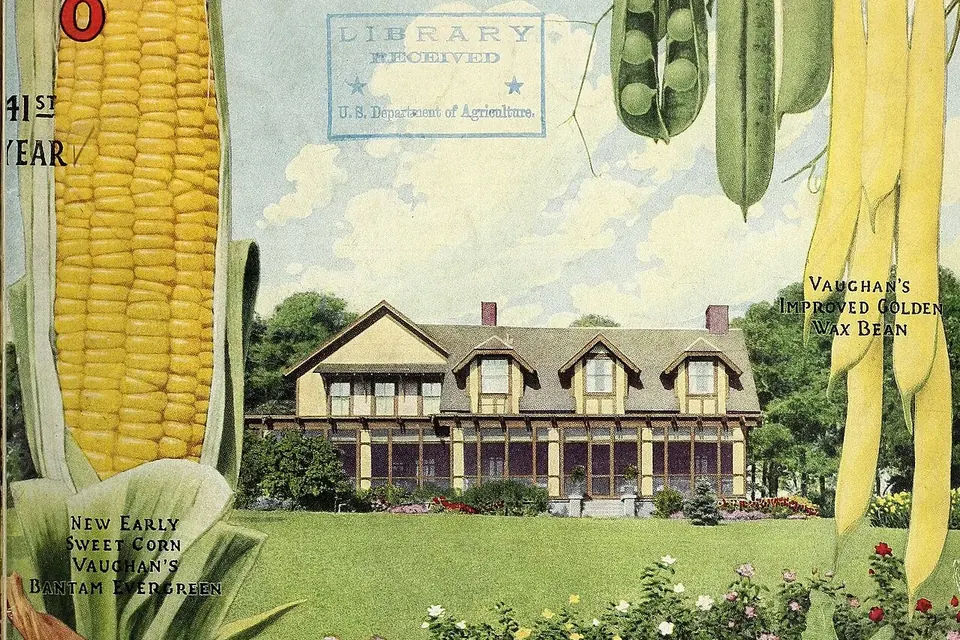 Catalogs & suppliers
Choosing and requesting garden catalogs
Seed, bulb, nursery and supply catalogs: how to find, request and judge them.
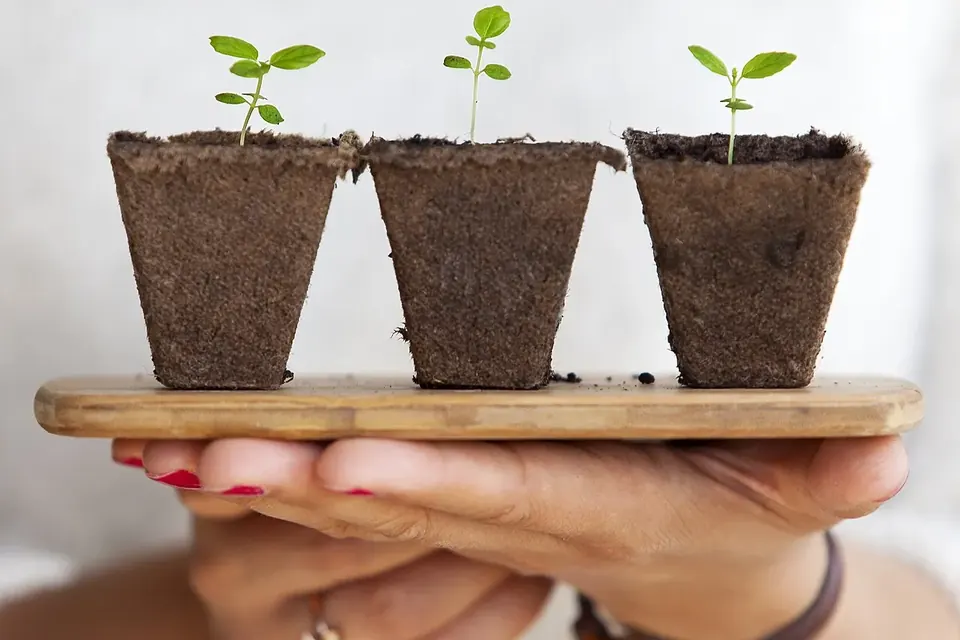 Ordering & arrival
Plugs, liners and potted plants
Cell, quart or gallon: what plant sizes mean and how to grow on young plants.