Bare-root plants by mail: what they are, when they ship and how to plant them
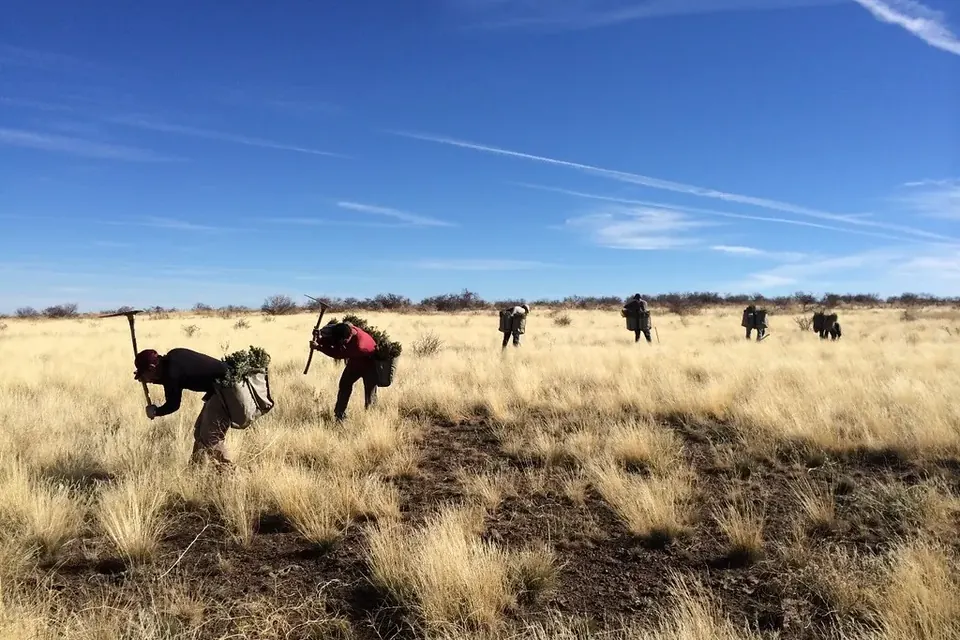
A bare-root plant arrives looking like a bundle of sticks and roots in damp packing. It is not dead: it is dormant. Shipping plants without soil, while they are not growing, is one of the oldest and most efficient ways to send trees, shrubs, roses, berries and many perennials by mail. Handled well, bare-root plants often establish faster than potted ones.
Why bare-root?
- Lighter and cheaper to ship. No pot and no soil means lower postage and less plastic.
- More root for your money. Field-grown bare-root plants often have larger, more spreading root systems than the same plant in a pot.
- No potting-mix interface. Roots go straight into your soil, rather than having to grow out of a light container mix.
- Wider choice. Many fruit varieties, old roses and specialty perennials are only sold bare-root.
The trade-off is timing: bare-root plants are only available during dormancy, typically from late winter to early spring in most of the country, and in some regions in fall. They need prompt, careful handling when they arrive.
What is commonly sold bare-root
| Plant group | Typical form | Notes |
|---|---|---|
| Fruit trees | One- or two-year-old grafted trees, often unbranched "whips" | Check the rootstock name; it decides mature size |
| Roses | Graded plants with several canes | Higher grades have more, thicker canes |
| Cane and bush fruit | Raspberry and blackberry canes, currants, gooseberries, blueberries (often potted) | Plant at the depth the nursery recommends |
| Strawberries | Crowns in bundles | Plant with the crown at soil level |
| Asparagus | One-year crowns | Set in a trench and cover gradually |
| Perennials | Divisions of hostas, daylilies, peonies, irises | Sold by eyes or fans; see the glossary |
| Hedging and native trees | Small seedlings in bundles | Economical for large plantings |
Ordering
- Order in winter for the best choice, but choose a ship date that matches your planting window: soil workable and not frozen or waterlogged.
- Note what grade or size you are buying. A cheaper, smaller grade may simply take longer to reach the same size.
- For fruit trees, check the rootstock, pollination needs and chill hours for your area; see our fruit guide.
- Prepare the planting site before the box arrives: clear grass, loosen soil, have stakes and mulch ready.
When the box arrives
Open it straight away. Roots must never dry out: a few minutes in sun and wind can damage fine roots.
- Check the roots. Purdue University's consumer horticulture specialists describe healthy bare-root roots as firm and light brown. Roots that are mushy and smell foul have rotted. Trim broken or rotted roots with clean, sharp pruners.
- Check the stems. Scratch a little bark with a fingernail: green or cream tissue underneath is alive; brown and dry tissue is not.
- Do not worry about a little surface mould on packing material or on otherwise firm roots; it is usually harmless.
- Photograph anything that looks dead or damaged and contact the supplier at once.
If you cannot plant immediately
For a delay of a day or two, keep plants in their packaging, roots moist, in a cool, unheated place such as a garage or porch. Purdue cautions against storing dormant plants in a warm house for more than a few days if they will be planted into cold conditions, because warmth can break dormancy and reduce cold hardiness.
For longer delays, heel them in:
- Dig a V-shaped trench in a lightly shaded spot, wide and deep enough for the roots.
- Lay the plants in at an angle, with the tops above the trench.
- Cover the roots with loose, moist soil or mulch and keep it moist but not waterlogged.
- Move the plants to their permanent places as soon as conditions allow; heeling in is only a short-term measure.
Planting
- Soak the roots in a bucket of water before planting. Purdue suggests 20 to 30 minutes to make sure plants are fully hydrated; follow the nursery's instructions for longer soaks, and do not leave plants sitting in water for days.
- Dig a wide hole, wider than the spread of the roots and only as deep as needed. Many guides suggest leaving a small mound in the centre to rest the roots on.
- Set the depth carefully. For trees, keep the root flare at or just above soil level; for grafted trees, keep the graft union above the soil. For roses, follow the nursery's advice for your climate.
- Spread the roots outward, without bending them round the hole.
- Backfill with the soil you dug out, working it between the roots to remove air pockets. Extension guidance generally advises against rich potting mixes or fertiliser in the backfill.
- Water thoroughly to settle the soil, then mulch, keeping mulch away from the stem.
- Stake only if needed, for example tall trees in windy sites, and remove ties after the first year.
The first season
- Water deeply during dry spells; roots are still small.
- Expect a slow start. Bare-root plants put on roots before shoots, and some are late to leaf out.
- Remove flowers on first-year strawberries and young fruit trees if the nursery recommends it, to let the plant establish.
- Do not overfeed: a light application in spring, as recommended for the plant, is enough.
- Keep the guarantee paperwork until the plant has leafed out properly.
Keep the roots moist, plant while dormant, and be patient until spring.
Sources
- Purdue University Consumer Horticulture, Temporary shelter for bare-root landscape plants.
- University of Arizona Cooperative Extension, Home orchard care.
- Michigan State University Extension, Fruit production for the home.
 Ordering & arrival
When your plants arrive
Unpack the same day, check, photograph, water, shade, then plant or pot up.
 Growing what arrives
Fruit trees and berries by mail
Rootstocks, pollinizers and chill hours: ordering fruit that suits your garden.
 Ordering & arrival
Plugs, liners and potted plants
Cell, quart or gallon: what plant sizes mean and how to grow on young plants.