Plugs, liners and potted plants: understanding plant sizes when you order by mail
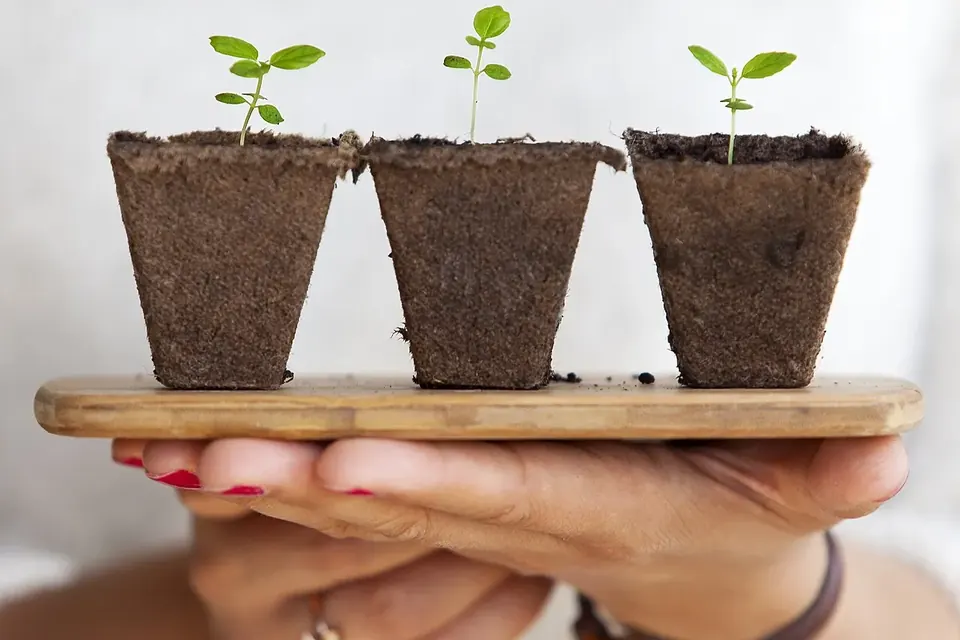
The same perennial can be sold as a tiny plug, a quart pot or a three-gallon specimen, at prices that differ tenfold. None is wrong. Understanding what each size means, and what you will have to do with it, is the key to getting good value from mail-order plants.
The sizes, from smallest to largest
| Size | What it is | Best for | Trade-offs |
|---|---|---|---|
| Plug | A young plant in a small tapered cell, sold in trays or packs | Mass plantings, ground covers, meadows, annual bedding | Needs growing on or careful planting and watering; slower to fill in |
| Liner | A rooted cutting or young plant in a small pot or deep cell | Shrubs, vines, perennials you are happy to grow on | Takes one or more seasons to reach garden size |
| Quart (about 1 litre) | A small potted plant | Most perennials, herbs | Good balance of price and size |
| 1 gallon (trade size) | A larger potted plant | Perennials that flower the first year, small shrubs | Heavier, more expensive to ship |
| 2–3 gallon and up | An established shrub or young tree | Instant effect, specimen plants | Costly shipping; can be root-bound |
Nursery container sizes such as "#1" or "1 gallon" are trade classes rather than exact measured volumes, and pots of the same nominal size vary between growers. Pot size alone also says little about the plant: a recently potted-up plant may have a small root system in a big pot. Ask for the plant's height or age, and look for photos of what ships.
Which plants are worth buying small
- Fast-growing perennials and grasses, which catch up with larger plants within a season.
- Ground covers and meadow plants, where you need many plants and small ones are far cheaper per square foot.
- Plants that dislike root disturbance, such as some taprooted natives, which often establish better when planted young.
- Herbs and annuals, which grow quickly.
Slow growers, such as many shrubs, conifers and some perennials like peonies, are often worth buying larger, or bare-root at a good grade; see bare-root plants.
Comparing value
- Divide the price, including a share of shipping, by the number of plants.
- Estimate how long each size will take to reach the effect you want. A plug at a quarter of the price that takes an extra season may still be the better buy.
- Consider your time: plugs and liners may need potting up, sheltering and watering before planting out.
- Factor in losses: very small plants are more vulnerable in their first weeks.
Plugs and liners on arrival
Young plants are shipped in their cells or small pots, usually with the root ball wrapped or held in place. When they arrive:
- Open the box the same day and remove the plants carefully, supporting the root ball.
- Water if the mix is dry, letting it drain fully.
- Place them in bright, indirect light for a day or two; plants that travelled in the dark can scorch in full sun.
- Decide whether to plant out or pot on. Pot on if the weather is harsh, if the plants are very small, or if you are not ready.
Potting on
- Move each plug into a pot one or two sizes larger, using a fresh, free-draining potting mix.
- Set the plant at the same depth it was growing.
- Keep pots in a sheltered spot outdoors in suitable weather, or under lights or in a cold frame if it is still cold.
- Plant out when roots fill the new pot and conditions are right.
Planting out small plants
- Water the plants in their cells an hour before planting.
- Plant on a cool, cloudy day or in the evening.
- Firm the soil gently around each plug so there are no air pockets.
- Water thoroughly and mulch lightly, keeping mulch away from the stems.
- Check daily for the first two weeks: small root balls dry out quickly.
- Protect from slugs, rabbits and birds, which find young plants irresistible.
Larger potted plants
When a large potted plant arrives, check whether the roots are circling the pot. Gently tease circling roots outward before planting, or score the sides of a dense root ball. Plant at the same depth as in the pot, never deeper, and water deeply. Potting mix dries faster than garden soil, so water the root ball itself, not just the surrounding soil, for the first few weeks.
A word on packaging
Mail-order plants inevitably come with packaging: boxes, paper, plastic sleeves and sometimes pots. Reuse what you can: sturdy pots for potting on, paper as mulch under compost, boxes for storage. Some nurseries now use paper-based packing and compostable pots; it is a fair thing to ask about when choosing a supplier.
Ordering in quantity
For hedges, ground covers or meadows, plugs and liners sold in trays of dozens can cut the cost of a planting dramatically. Before ordering in quantity, count the plants you need from the spacing in the catalog, add a few spares for losses, and plan for planting over a short period: a tray of plugs that waits weeks in a garage will not do well. If the area is large, order in two batches and plant in two sessions. On rented land, check first whether the lease allows a new hedge or other permanent planting; see renting a house with a garden.
Small plants cost less and settle in fast, if you give them the first two weeks.
Sources
- Purdue University Consumer Horticulture, Temporary shelter for bare-root landscape plants.
- University of Vermont Extension, Seed starting basics (hardening off young plants).
- Iowa State University Extension, Container vegetable gardening.
 Ordering & arrival
When your plants arrive
Unpack the same day, check, photograph, water, shade, then plant or pot up.
 Ordering & arrival
Bare-root plants by mail
Dormant roots, no soil: timing, soaking, heeling in and planting right.
 Catalogs & suppliers
Shopper tips for buying plants by mail
Sizes, guarantees, ship dates, payment, and what to do when an order goes wrong.