How to read a seed catalog: days to maturity, hybrids, heirlooms and disease codes
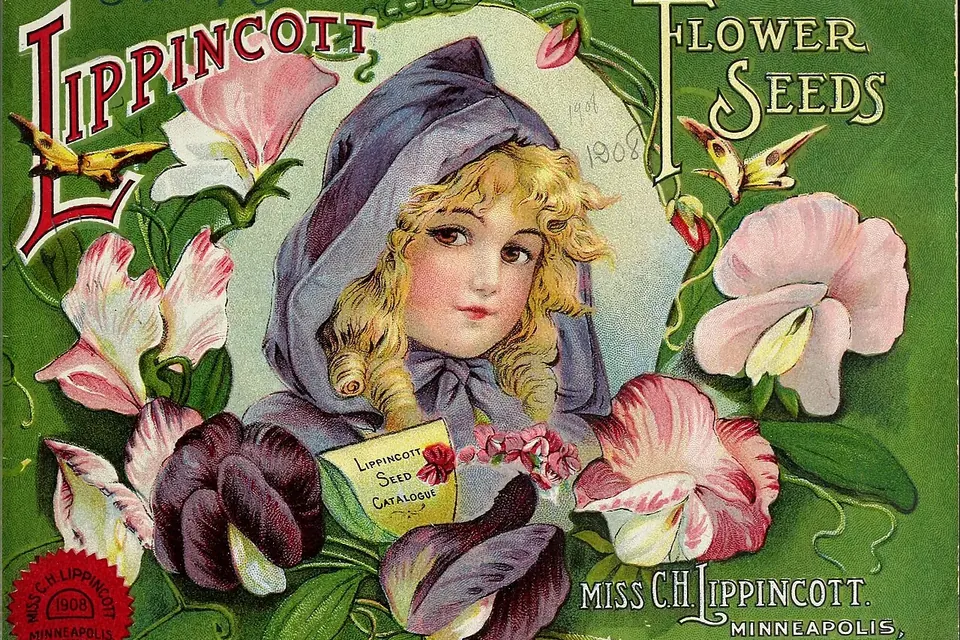
A seed catalog packs a great deal of information into a few lines per variety. Once you know how to read a listing, you can tell at a glance whether a tomato will ripen before your first frost, whether you can save its seed, and whether it resists the diseases that plague your area. Here is how to decode the page.
Anatomy of a listing
| Part of the listing | What it tells you |
|---|---|
| Crop and variety name | The kind of plant and the named variety, e.g. bush bean 'Provider' |
| Days to maturity | Approximate time to first harvest under good conditions |
| Type | Open-pollinated, F1 hybrid, heirloom; sometimes organic |
| Disease codes | Resistance or tolerance to specific diseases |
| Description | Size, colour, flavour, habit, uses, regional notes |
| Packet size | Seed count or weight, and price for each size |
| Seed treatment | Untreated, treated with a fungicide, pelleted or primed |
Days to maturity
Days to maturity is the approximate number of days from sowing to first harvest, or, for crops usually transplanted such as tomatoes and peppers, from setting out transplants. Catalogs do not always say which, so check the introduction to the vegetable section. The figure assumes good conditions; cool weather, short days or poor soil add days. Use it to compare varieties within one catalog and to check whether a crop will ripen before your first fall frost, counting back from your frost date with a margin for safety.
Open-pollinated, hybrid and heirloom
- Open-pollinated (OP) varieties are pollinated naturally by insects, wind or the plant itself. Seed saved from them grows into plants like the parent, provided they were not crossed with another variety.
- F1 hybrids are the first generation of a deliberate cross between two parent lines. They are often uniform and vigorous, with disease resistance bred in, but seed saved from them does not reliably come true. University of Illinois Extension advises that hybrids are generally poor choices for seed saving for that reason.
- Heirlooms are open-pollinated varieties with a long history of being saved and handed down. There is no legal definition; many catalogs use an age threshold such as 50 years.
None is better in itself. Hybrids may give a more reliable crop where disease pressure is high; open-pollinated and heirloom varieties let you save seed and often offer flavours and forms you will not find elsewhere. See seed saving basics.
Disease resistance codes
Catalogs use abbreviations, especially for tomatoes, cucumbers, beans and squash, to show which diseases a variety resists. Common tomato examples include V (Verticillium wilt), F (Fusarium wilt, sometimes FF or F2 for more than one race), N (root-knot nematodes) and T or ToMV (tobacco or tomato mosaic virus). Each catalog prints its own key. "Resistance" means the variety is less affected, not immune; "tolerance" is usually weaker. Choose resistance for the diseases common in your area: your extension office can tell you which those are.
Seed counts and packet sizes
Packets vary greatly. Compare seed count or weight per dollar, not packet price. Small-seeded crops such as lettuce or carrots give hundreds of seeds per packet; large seeds such as beans or squash give far fewer. Buy what you can sow in one or two seasons, since many seeds lose vigour over time: see how long seeds last.
What the label must say
Federal seed regulations set germination standards for vegetable seed. For packets of a pound or less that meet the standard, the label does not have to show the germination rate; seed that falls below the standard must be marked "Below Standard" with its germination percentage. Seed treated with a fungicide or other pesticide must be labelled as treated. Many companies print a "packed for" year or test date even when not required, which is useful when you find old packets in a drawer.
Treated, pelleted and organic seed
- Untreated seed has no coating; choose it if you garden organically or want to avoid pesticides.
- Treated seed carries a fungicide or insecticide to protect it in cold, wet soil. It is often brightly coloured. Wash your hands after handling and do not use leftover treated seed for food or feed.
- Pelleted seed is coated in clay or a similar material to make tiny seeds easier to space. Keep the soil evenly moist after sowing.
- Certified organic seed is produced under the USDA National Organic Program and certified by an accredited agent.
Regional adaptation
The best variety for Maine is rarely the best for Texas. Good catalogs mark varieties suited to short seasons, heat, humidity or particular regions, and regional seed companies trial in conditions like yours. All-America Selections, a non-profit trialling organisation, runs trial gardens across North America and names winners by region as well as nationally. Your state extension service often publishes recommended variety lists for vegetables.
Reading the photographs
Catalog photographs show a variety at its best. Use the description for facts: plant size, fruit size, yield, habit. Be cautious of photos with unnatural colours or listings that promise extraordinary yields with no detail.
Making your list
- Choose crops you will eat and have room for.
- Check days to maturity against your season length.
- Prefer disease resistance for the problems you know.
- Add one or two trials each year.
- Order early for popular varieties, and store seed cool and dry until sowing.
The best variety is the one that ripens in your season and resists your diseases.
Sources
- Federal Seed Act regulations, 7 CFR § 201.29, labelling of vegetable seed in containers of one pound or less.
- University of Illinois Extension, Open-pollinated vs. hybrid: an important distinction when saving seeds.
- USDA Agricultural Marketing Service, National Organic Program.
- All-America Selections, all-americaselections.org.
 Seeds & saving
Starting seeds indoors
Count back from frost, give strong light, avoid damping off, harden off slowly.
 Seeds & saving
Seed saving basics
Start with beans, peas, lettuce and tomatoes; isolate, harvest, dry and label.
 Catalogs & suppliers
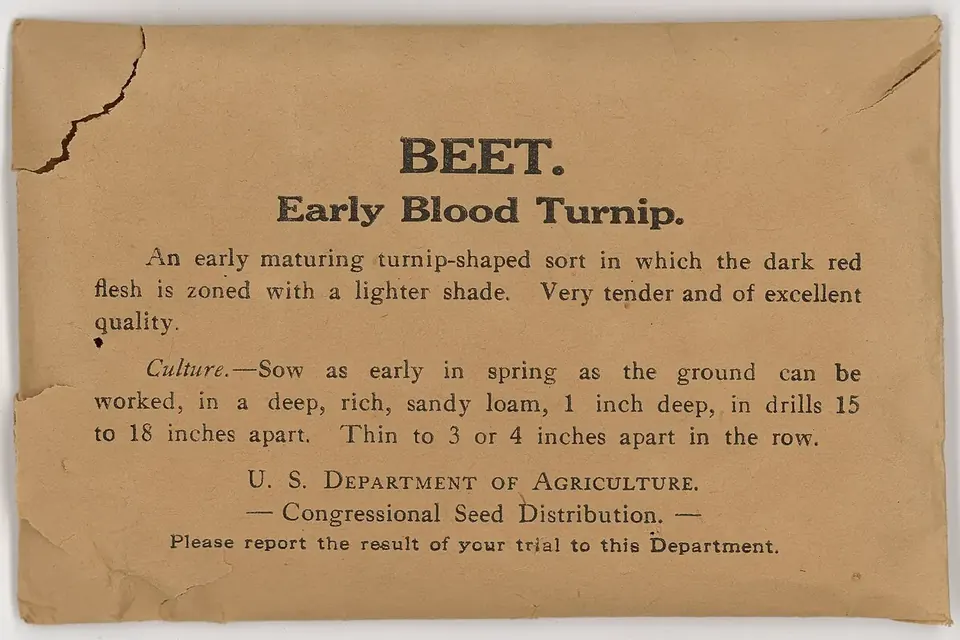
Glossary of catalog terms
From annual to zone: the words catalogs use, explained plainly.