Small-space gardening by mail: compact varieties, containers and vertical growing
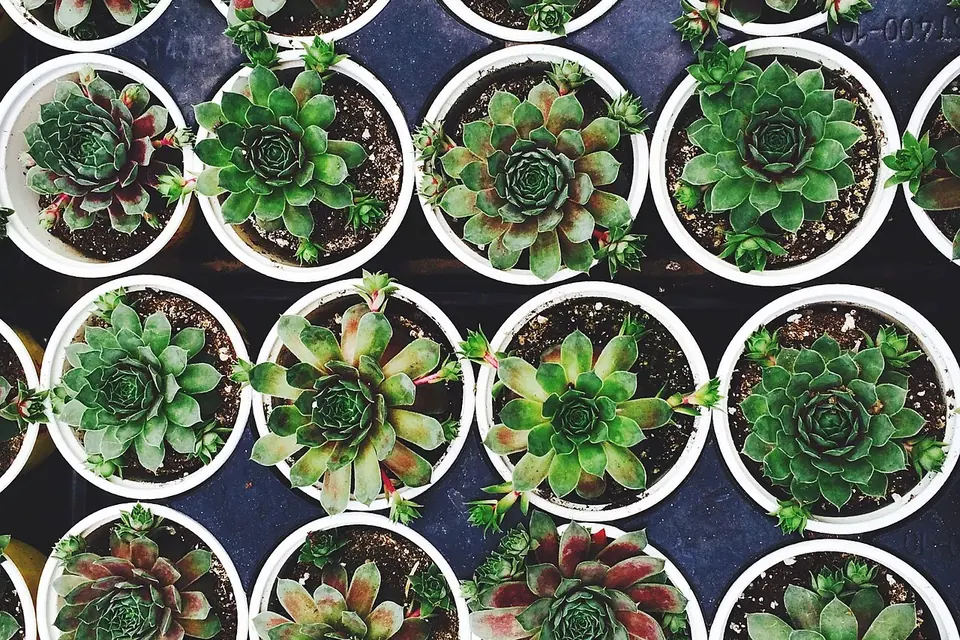
A balcony, a front step or a sunny corner of a patio can produce a surprising amount of food and flowers. Mail-order catalogs are particularly useful for small spaces, because they offer compact and container-bred varieties that garden centres rarely stock. The keys are choosing the right varieties, giving them enough root room, and never letting them dry out.
Start with light
Spend a day watching how sun moves across your space. Fruiting vegetables such as tomatoes and peppers need the most sun: extension guidance generally calls for at least six hours of direct sun. Leafy greens, herbs such as parsley and mint, and many flowers manage with less. North-facing balconies suit shade-tolerant ornamentals and salad leaves better than tomatoes.
Compact varieties to look for in catalogs
- Tomatoes: determinate, "patio" or dwarf varieties bred for pots; cherry types are productive in small spaces.
- Peppers and eggplant: compact plants with small fruit.
- Beans and peas: bush types for pots, or climbing types for a trellis.
- Squash and cucumbers: bush or compact varieties; vining types trained up a support.
- Salad greens: cut-and-come-again lettuce mixes, baby spinach, arugula.
- Herbs: basil, parsley, chives, thyme; keep mint in its own pot, as it spreads.
- Fruit: strawberries in pots or hanging baskets; dwarf blueberries; fruit trees on very dwarfing rootstocks bred for containers.
Catalog descriptions often say "container", "patio" or give a compact mature size. See how to read a seed catalog.
Containers: bigger is easier
Small containers dry out quickly and limit yields. Iowa State University Extension says almost any container can be used as long as it has drainage holes, and that most vegetables need at least 6 to 8 inches of potting mix, more for root crops and large plants. University of Maryland Extension recommends matching container size to the plant, with a minimum of 8 to 10 gallons of growing media and a depth of 12 to 16 inches for large vegetables such as tomatoes.
| Crop | Container guide |
|---|---|
| Herbs, lettuce, radishes | Window boxes or pots at least 6–8 inches deep |
| Peppers, eggplant, bush beans | Medium pots, a few gallons each |
| Tomatoes, squash | Large containers, about 8–10 gallons or more for full-size plants |
| Dwarf fruit trees | Large tubs; repot or root-prune every few years |
The right mix
Use a commercial potting mix, not garden soil, which compacts in containers. Iowa State notes that container gardens need a growing medium that drains well yet does not dry out too fast. Add slow-release fertiliser at planting, or feed regularly with a liquid fertiliser during the season: frequent watering washes nutrients out of pots.
Watering
- Check pots daily in summer; in hot, windy weather, large plants in containers may need water once or twice a day.
- Water until it runs from the drainage holes, then let excess drain away.
- Group pots together to shade each other and reduce drying.
- Self-watering containers and drip systems on a timer help if you travel.
- Saucers protect balconies but should not stay full of water for long.
Grow up, not out
Vertical growing multiplies small spaces: trellises for peas, pole beans and cucumbers; obelisks for climbing flowers; wall pockets for herbs and strawberries; hanging baskets for trailing tomatoes and flowers. Make sure supports are anchored, especially on windy balconies.
Bulbs and flowers in pots
Spring bulbs ordered by mail in summer can be layered in a single deep pot for weeks of flowers; summer bulbs such as lilies and dahlias suit large containers. In cold regions, protect potted bulbs from hard freezes. See ordering bulbs by mail.
Practical limits on balconies and rentals
- Weight: wet soil is heavy. Check with the building owner or manager before placing large containers or raised beds on balconies and roofs.
- Drainage: make sure water does not drip onto neighbours below or stain surfaces.
- Rules: leases, homeowners' associations and building rules may limit containers, hanging items or climbing plants. Ask before you install.
- Portability: if you rent, choose containers you can move, and see our guide to renting a house with a garden.
Ordering for a small space
- Choose a handful of crops and varieties, not a dozen.
- Buy small seed packets or seed collections designed for containers.
- Consider transplants by mail for slow crops like tomatoes and peppers if you cannot start seeds indoors.
- Order pots and potting mix locally to save on shipping weight.
A sample balcony plan
For a sunny balcony of a few square yards, a simple plan might be: one large container with a compact tomato and basil; one with a pepper; a long window box of cut-and-come-again lettuce sown every few weeks; a pot of strawberries; a trellis with climbing beans; and a few herbs by the door. That is six or seven containers, a handful of seed packets and perhaps two or three transplants by mail, and it can supply salads and summer vegetables for months.
Feeding container plants
Containers hold little soil, and frequent watering washes nutrients out. Mix a slow-release fertiliser into the potting mix at planting, then feed fruiting crops such as tomatoes and peppers with a liquid fertiliser every week or two once they flower, following the label. Leafy crops need less. Replace or refresh potting mix each year for annual crops: old mix compacts and loses structure, though it can be added to garden beds or compost.
Choose compact varieties, give them the biggest pots you can, and water every day.
Sources
- Iowa State University Extension and Outreach, Container vegetable gardening.
- University of Maryland Extension, Types of containers for growing vegetables.
- Oregon State University Extension, Vegetable gardening in Oregon.
 Growing what arrives
Planning a vegetable garden
Sun, soil, frost dates and a sowing calendar: turning catalog wishes into a plan.
 Ordering & arrival
Ordering bulbs by mail
Fall and spring bulbs, sizes, storage, chilling in warm zones, and planting depth.
 Growing what arrives
Renting a house with a garden
Sun, soil, water bills and upkeep: what to check and write into the lease.