Ordering bulbs by mail: spring and summer bulbs, sizes, timing and storage
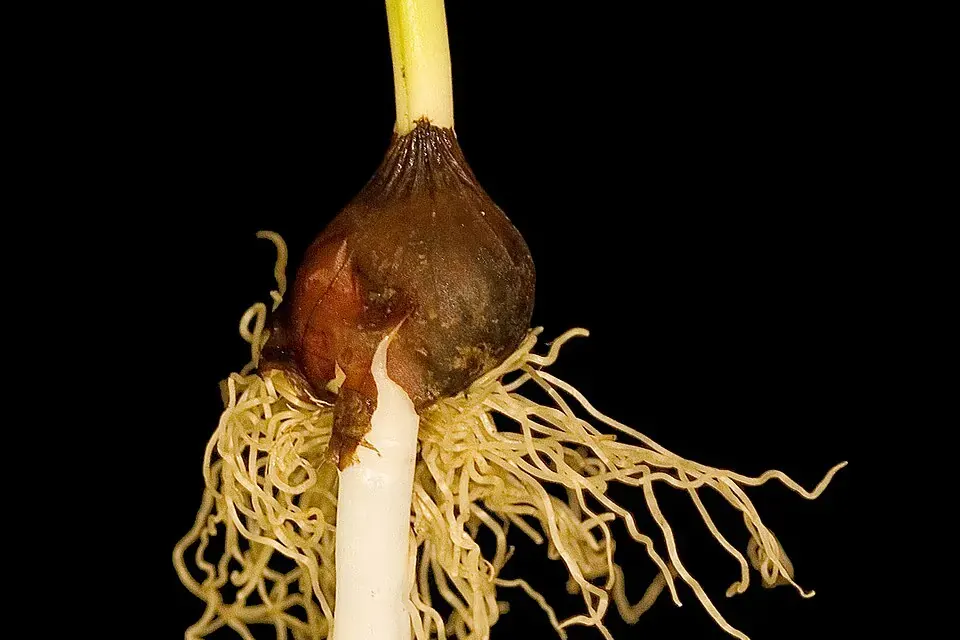
Bulbs are the original mail-order plant: compact, dormant, and easy to ship. A few dozen tulips, daffodils or alliums ordered in summer and planted in fall give one of the best returns in gardening. The trick is in the timing, and in knowing what to do with bulbs between the day they arrive and the day the soil is ready.
Two bulb seasons
| Group | Examples | Order | Plant |
|---|---|---|---|
| Spring-flowering ("fall bulbs") | Tulips, daffodils, crocus, hyacinths, alliums, snowdrops, grape hyacinths | Spring to late summer for best choice | Fall, once soil has cooled |
| Summer-flowering ("spring bulbs") | Dahlias, gladiolus, lilies, cannas, begonias, crocosmia | Winter | Spring, after frost risk for tender types |
Catalogs use "bulbs" loosely to include true bulbs, corms, tubers and rhizomes; the glossary explains the difference.
Sizes and value
Bulbs are graded by circumference, usually in centimetres. Larger bulbs of the same variety generally produce bigger flowers or more stems. Inexpensive "landscape" or "naturalising" mixes often contain smaller bulbs or mixed varieties, which is fine for drifts in grass but less so for formal displays. When comparing catalogs, compare the bulb size and the count per bag, not just the price.
When to plant fall bulbs
Spring-flowering bulbs need time to grow roots before the ground freezes, and most need a period of winter cold to flower well.
- Cold regions: University of Minnesota Extension calls late September to early October ideal for Minnesota, with planting possible later in the month.
- Mild regions: Clemson University's Home & Garden Information Center advises planting daffodils in October or November and other spring bulbs once soil at planting depth stays below 60°F; in coastal South Carolina, most bulbs go in during late December or early January.
- Everywhere: plant early enough for roots to form, but after summer heat has gone from the soil.
Nurseries ship fall bulbs by zone; choose an arrival date close to your planting time. See zones and shipping seasons.
Chilling in warm zones
In warm-winter regions, many tulips and hyacinths do not get enough cold to bloom well. Clemson notes that most spring bulbs need 12 to 16 weeks of chilling, and recommends refrigerating tulips from purchase until planting in coastal areas, and hyacinths for six to eight weeks. Keep chilled bulbs in ventilated bags and away from fruit: ripening fruit gives off ethylene gas, which can prevent bulbs from blooming. In the warmest zones, daffodils and other bulbs listed as low-chill are often more reliable.
When the bulbs arrive
- Open the box and check bulbs against the packing list.
- Good bulbs are firm and heavy for their size, without soft spots or deep mould. A little surface mould on the papery skin wipes off.
- Store unplanted bulbs in their mesh or paper bags in a cool, dry, airy place, below about 60°F, out of the sun.
- Keep labels with the bulbs; once planted, they all look alike.
- Plant within a few weeks; bulbs are living and lose vigour if they dry out or warm up.
Planting
- Choose a well-drained site. Bulbs rot in waterlogged soil. Clemson suggests working 2 to 3 inches of organic matter into beds where drainage is poor, or using raised beds.
- Plant at the right depth. University of Illinois Extension recommends two to three times the length of the bulb, measured from its base: about 6 to 8 inches for large bulbs such as tulips and daffodils, 3 to 4 inches for small ones such as crocus and snowdrops. Follow the supplier's instructions for each variety.
- Point side up. If you cannot tell, plant the bulb on its side; the shoot will find its way.
- Plant in groups rather than single lines for a natural look.
- Water after planting to settle the soil and start root growth.
- Base fertiliser on a soil test. Bulbs grown for one season need none; permanent plantings benefit from a light feed.
Bulbs in containers and small spaces
Bulbs are ideal for pots: plant them closer together than in the ground, in a free-draining mix, and layer early, mid- and late-season varieties at different depths for a long display. In cold regions, protect pots from hard freezes, which can kill bulbs in a container more easily than in the ground. See our small-space guide.
After flowering
- Remove spent flower heads, but leave the leaves until they yellow; they feed next year's bulb.
- Daffodils, crocus, alliums and many small bulbs naturalise and return for years. Many large hybrid tulips decline after the first year and are often treated as annuals.
- Lift tender summer bulbs such as dahlias and gladiolus after frost in cold regions, dry them and store them frost-free.
- Note what you planted and where, so you can add more in the right gaps next fall.
Pests and problems
- Squirrels, voles and deer dig up or eat tulips and crocus. Daffodils and alliums are usually left alone. Wire mesh over the planting area, or planting in buried wire baskets, protects favourite bulbs.
- Bulbs that rot in the ground usually point to poor drainage; improve it or choose a different spot.
- Blind bulbs that grow leaves but no flowers may be too small, planted too shallow, short of sun, or lacking winter chill.
Order in summer, store cool, plant when the soil has cooled.
Sources
- Clemson Cooperative Extension, Home & Garden Information Center, Spring-flowering bulbs.
- University of Illinois Extension, Selecting and planting spring bulbs.
- University of Minnesota Extension, Plant fall bulbs now for a colorful spring garden.
 Ordering & arrival
Hardiness zones and shipping seasons
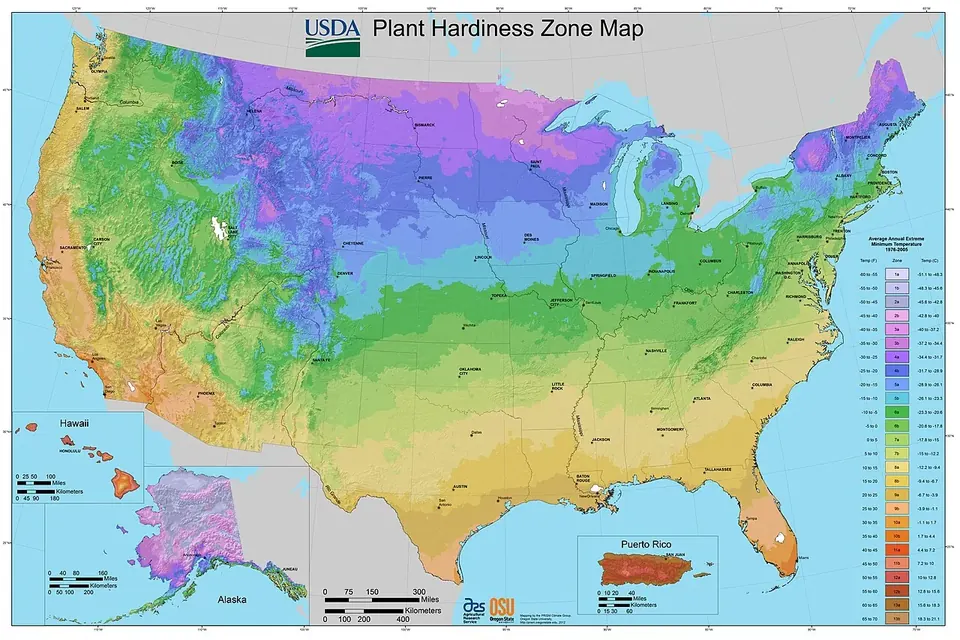
The 2023 USDA zone map, frost dates and heat: choosing the right ship date.
 Ordering & arrival
When your plants arrive
Unpack the same day, check, photograph, water, shade, then plant or pot up.
 Growing what arrives
Small-space gardening by mail
Compact varieties, container sizes, watering and vertical growing for small spaces.