When your plants arrive: unpacking, checking and caring for mail-order plants

A box of plants is a living thing on a timer. The care you give in the first hour and the first week often decides whether a mail-order plant thrives or sulks. Here is a routine that works for most deliveries, from bare-root trees to perennials in pots, bulbs and seed.
Before the box arrives
- Track the shipment and arrange to be home, or ask a neighbour to bring the box inside; boxes left on a sunny porch can overheat or freeze.
- Prepare the planting area: weeded, soil loosened, compost ready.
- Have a few tools to hand: a bucket, a watering can, pruners, labels and a marker, spare pots and potting mix.
- Keep the order confirmation and the guarantee terms where you can find them.
The first hour
- Open the box at once, even if you cannot plant today. Plants need light and air.
- Check the contents against the packing slip: every item, quantity, size and label.
- Photograph the box, the packing and any damaged, dried-out or missing plants, before you move anything.
- Remove plants carefully, supporting root balls, and take off plastic sleeves.
- Check moisture. Water potted plants and plugs if the mix feels dry. Keep bare-root roots moist in their packing or in a bucket of water.
- Contact the supplier the same day about problems, with photos and your order number. Guarantees often have short claim windows.
What healthy plants look like
| Plant type | Healthy signs | Worrying signs |
|---|---|---|
| Bare-root | Firm, flexible roots; live green or cream tissue under the bark | Mushy, foul-smelling roots; brittle, dry, brown stems |
| Plugs and potted plants | Moist root ball holding together; upright growth | Collapsed stems, rot at the base, completely dry mix |
| Bulbs and tubers | Firm, heavy for their size | Soft, hollow, mouldy patches that go deeper than the skin |
| Seed | Sealed packets, dry, with a packing year or test date | Damp, torn packets; no labels; seed you did not order from abroad |
A little yellowing or a few dropped leaves after days in a dark box is normal and usually recovers. Pale, stretched shoots on plants shipped in growth will green up in light.
Acclimatising: the first few days
Plants that have spent days in the dark are vulnerable to strong sun and wind. Give them a few days of transition:
- Place potted plants and plugs in bright shade outdoors, sheltered from wind, if the weather is mild.
- Move them gradually into more sun over three to seven days, as you would when hardening off seedlings.
- Keep them watered, but not waterlogged.
- If frost threatens, bring tender plants into a cool, bright place such as a porch or unheated room.
When you cannot plant straight away
- Bare-root plants: keep roots moist and the plants cool; for longer delays, heel them in. See our bare-root guide.
- Plugs: pot them on into slightly larger pots and grow them on.
- Potted plants: keep watered in a sheltered spot; they can usually wait a week or two.
- Bulbs: store in a cool, dry, airy place in paper or mesh bags, away from fruit, until planting time. See ordering bulbs by mail.
- Seed: keep sealed packets cool and dry until sowing; see how long seeds last.
Planting day
- Choose a cool or overcast day, or plant in the late afternoon.
- Water plants an hour before planting.
- Plant at the right depth: the same as in the pot for most potted plants, as directed for bare-root and bulbs.
- Firm the soil and water deeply to remove air pockets.
- Mulch, label, and note the planting date and supplier in a garden notebook.
The first weeks
- Check soil moisture every day or two; new plants have limited roots.
- Do not fertilise heavily; let roots establish first.
- Watch for slugs, snails and rabbits, and protect young plants if needed.
- Expect some transplant shock: wilting at midday that recovers by evening is common.
- If a plant fails, check the guarantee terms and contact the supplier with photos and planting details.
Unexpected seeds or plants
If you receive seeds or plants you did not order, especially from another country, do not plant them. USDA's Animal and Plant Health Inspection Service asked recipients of unsolicited seed packages to keep the seeds and packaging and to contact their State plant regulatory official or APHIS State plant health director. Seeds of unknown origin can carry pests, diseases or invasive species.
Keep records
A simple log of what you ordered, from whom, when it arrived, its condition and how it grew is the best guide to future orders. After a few seasons, you will know which suppliers send strong plants to your region, and which ship dates suit your garden.
Weather on delivery day
If plants arrive during a heat wave, keep them in shade and water, and wait for a cooler day to plant; most potted plants can wait several days. If they arrive in a cold snap, keep dormant plants cool but frost-free, and tender plants indoors in good light, until the weather turns. Never leave a box of plants in a hot car or a freezing garage overnight.
Open it the same day, water, shade, and plant within the week.
Sources
- Purdue University Consumer Horticulture, Temporary shelter for bare-root landscape plants.
- University of Vermont Extension, Seed starting basics (hardening off).
- USDA APHIS, Non-compliant seeds: what you need to know.
- Federal Trade Commission, Business guide to the Mail, Internet, or Telephone Order Merchandise Rule.
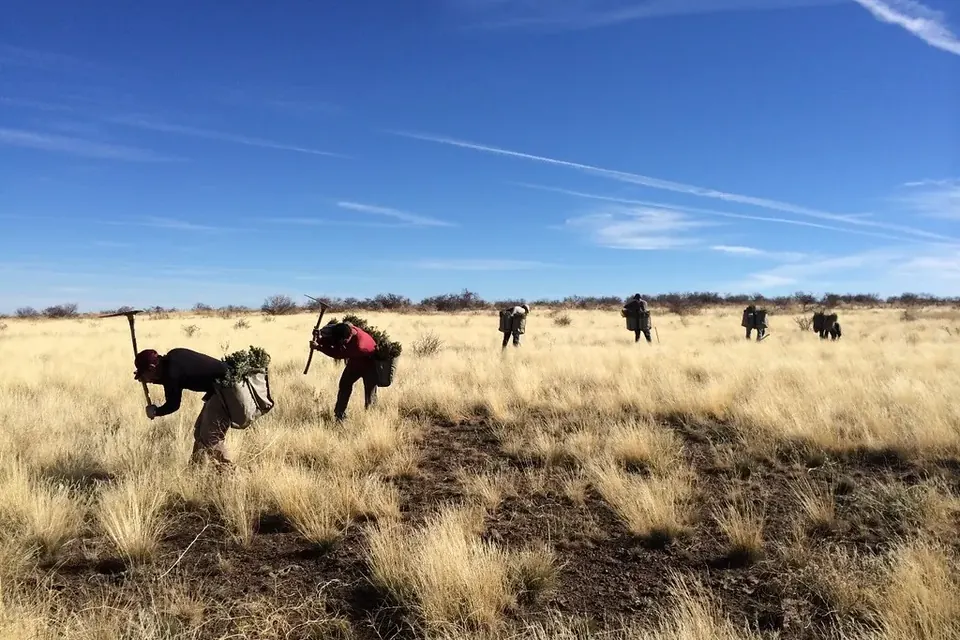 Ordering & arrival
Bare-root plants by mail
Dormant roots, no soil: timing, soaking, heeling in and planting right.
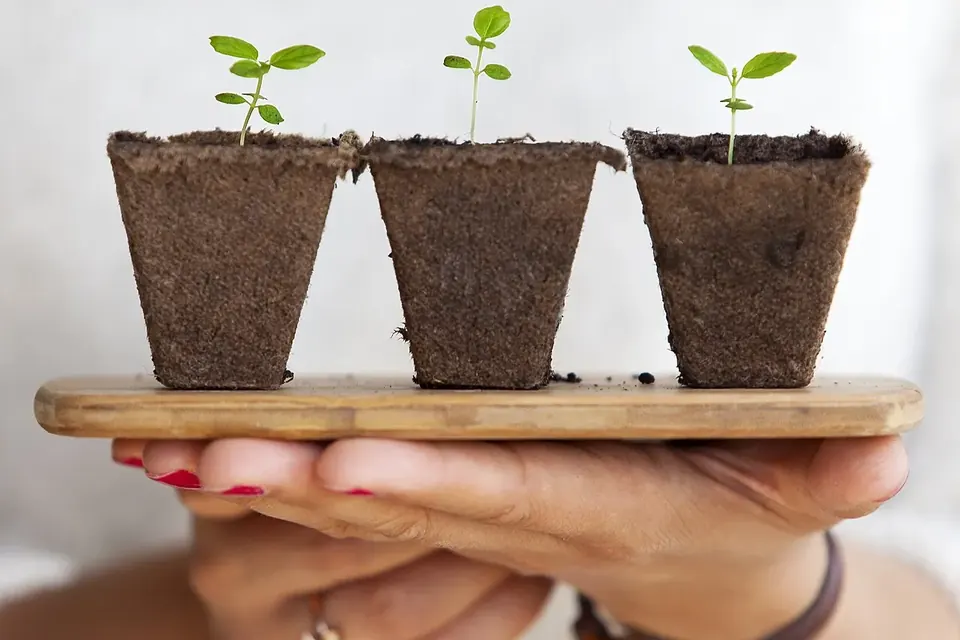 Ordering & arrival
Plugs, liners and potted plants
Cell, quart or gallon: what plant sizes mean and how to grow on young plants.
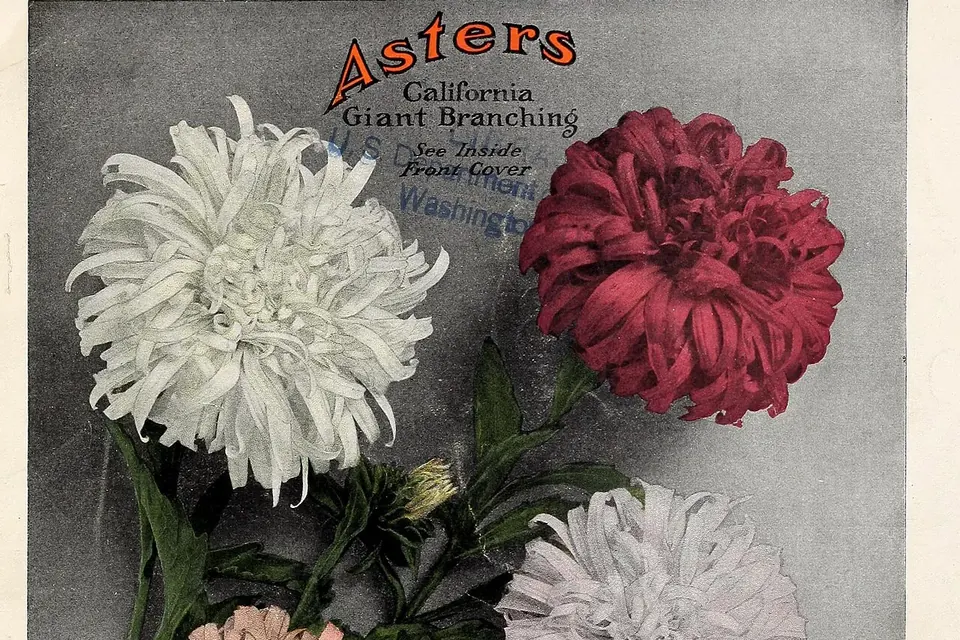 Catalogs & suppliers
Shopper tips for buying plants by mail
Sizes, guarantees, ship dates, payment, and what to do when an order goes wrong.