Plants as Christmas gifts by mail: what ships well in December, the 2026 cut-off dates and how to keep a parcel from freezing
A plant is a lovely present: it lasts longer than flowers and says more than a gift card. Sent by mail in December, though, it has to survive a trip through unheated sorting centres and delivery vans at the coldest time of the year. Some plants handle that easily, others suffer within an hour below 50°F. Here is what to send, what to avoid, the 2026 shipping deadlines, and how both the sender and the recipient can stack the odds in the plant's favour.
What travels well in December
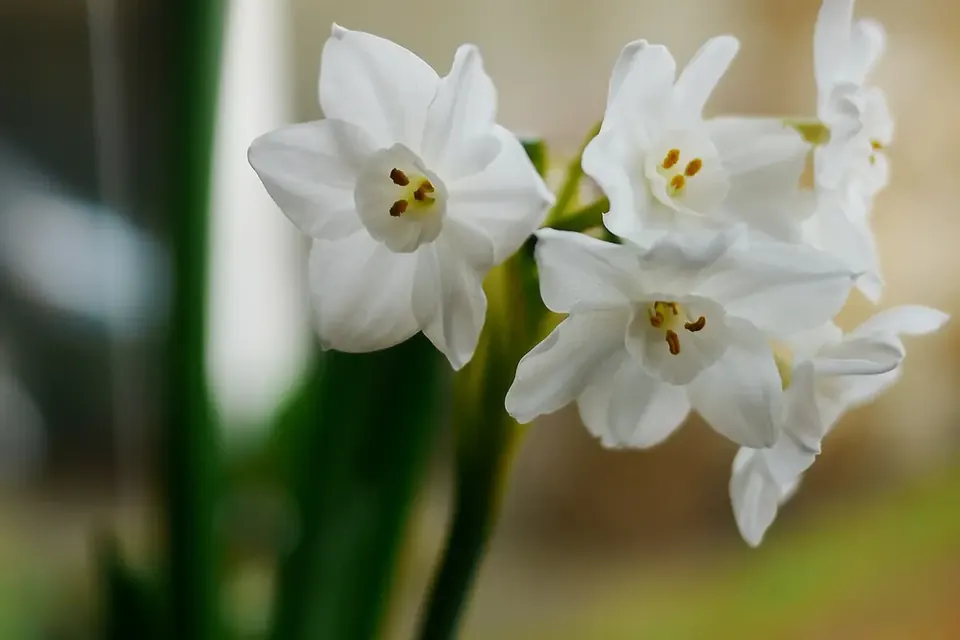
- Amaryllis and paperwhite bulbs. Dormant bulbs are the safest living gift of the season. They tolerate cool transit, need no light in the box, and the recipient gets the fun of watching them grow. Kits with a pot and potting mix are common; a large amaryllis bulb usually flowers six to ten weeks after potting. Our guide to bulbs for indoor forcing explains sizes and timing.
- Seeds and seed collections. Packets are unaffected by cold and fit in an envelope. A small collection matched to the recipient's garden (herbs for a windowsill, tomatoes for a sunny patio) is cheap to post and ready for spring sowing.
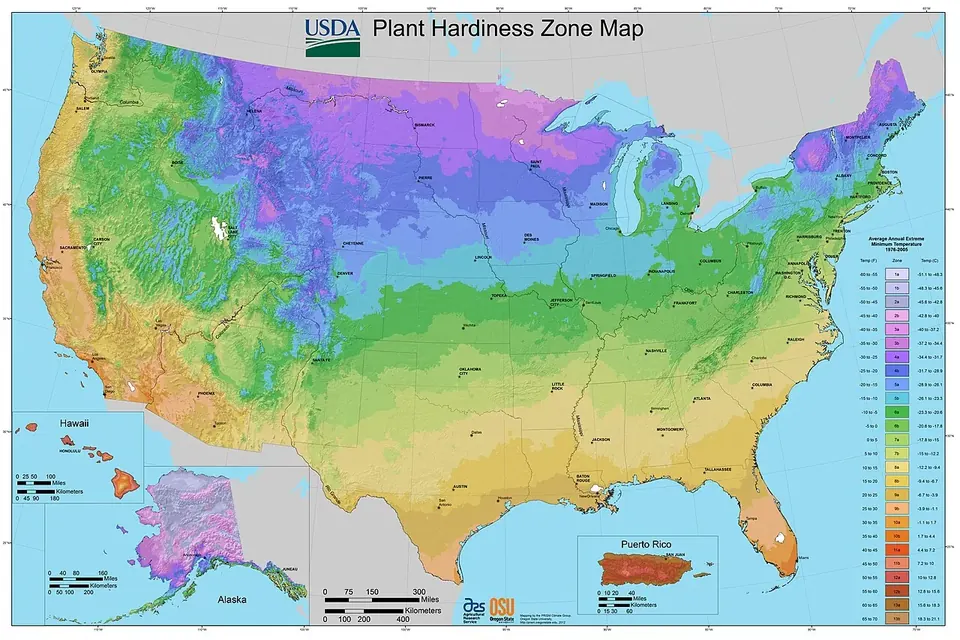
- Hardy plants in their dormant season. Bare-root fruit bushes or roses shipped to a mild region in winter are fine, but many nurseries only ship them from late winter onwards, by zone. A gift certificate with a spring ship date is often the better option, as explained in our page on hardiness zones and shipping seasons.
What to think twice about
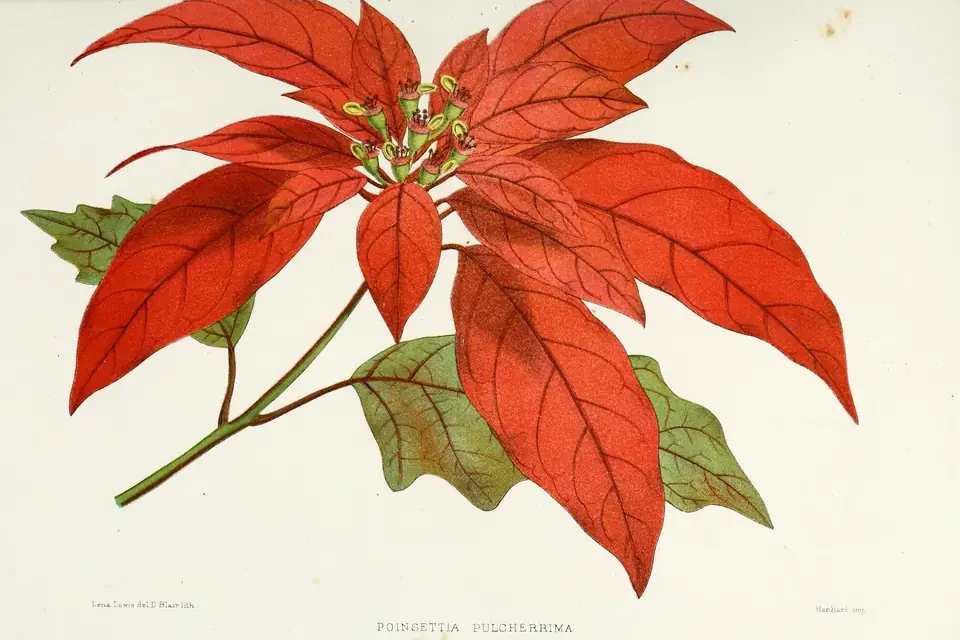
Tropical houseplants and holiday plants in flower are the risky part of the catalog in December. The poinsettia is the classic example. The University of Connecticut's greenhouse extension warns that poinsettias "are sensitive to chilling injury and can be damaged when exposed to temperatures below 50 °F", and that the longer that plants are exposed to low temperatures, the more damage that occurs; on red varieties, the bracts turn bluish or brown at the edges. Even for a short walk from a shop to a car, Purdue's consumer horticulture team advises wrapping the plant and to preheat the car beforehand to prevent further chilling injury.
Growers who ship these plants commercially do it in temperature-controlled trucks. One grower interviewed by Greenhouse Grower explained that they maintain a temperature of 55 to 65 degrees in the reefer trucks. A parcel network cannot promise that. If you want to give a poinsettia, a Christmas cactus or an orchid, buy it from a nursery that ships in insulated boxes with heat packs and states a minimum temperature or a weather hold policy, or have it delivered locally by a florist.
Plants also need air. The American Floral Endowment's handling guide for poinsettias notes that it is best to sleeve plants for as short a period as possible, and to water the day before boxing so that wet soil does not raise humidity inside the sleeve and encourage grey mould. Two or three days in a box is fine; a parcel stuck over a weekend is not.
The 2026 send-by dates
For delivery before 25 December within the lower 48 states, the US Postal Service's 2026 holiday shipping deadlines are:
| USPS service (lower 48 states) | Recommended send-by date |
|---|---|
| USPS Ground Advantage | Thursday 17 December |
| First-Class Mail | Thursday 17 December |
| Priority Mail | Friday 18 December |
| Priority Mail Express | Saturday 19 December |
These are recommendations, not guarantees, and the Postal Service notes that actual delivery depends on origin, destination and acceptance time. For a living plant, aim earlier rather than later, and avoid sending on a Thursday or Friday so the box does not sit in a depot over the weekend. The Postal Service treats plants as perishable items, and its shipping restrictions page is the place to check before posting anything across state lines; some states also restrict particular plants, which we cover in our guide to buying plants across borders and state lines.
Packing a plant for winter post
- Water a day before, not on the day. Moist but not wet soil travels best.
- Secure the soil. Cover the pot surface with paper or a plastic bag tied around the stem, so the mix stays in place when the box is turned over.
- Sleeve the top. A paper or plastic sleeve protects leaves and bracts from wind and knocks.
- Insulate. Line the box with foam panels or several layers of corrugated card, and fill gaps so the pot cannot move. In very cold weather, a heat pack placed against the box wall (never touching the plant) adds a margin.
- Label it. "Live plant – keep from cold – open on arrival" will not guarantee careful handling, but it helps the recipient.
For the person who receives it
Open the box the same day, indoors, away from a draughty door. Let a chilled plant warm up slowly at room temperature, then remove the sleeve, check the soil and water only if it is dry. Some leaf drop after a trip is normal; blackened, translucent leaves are cold damage. Our checklist for when your plants arrive covers what to photograph and when to contact the nursery.
And if in doubt, give a gift certificate and a seed catalog. In February, when the catalogs are full of promise and the post is warmer, the recipient will choose a plant that suits their garden, delivered at the right time.
 Ordering
Bulbs for indoor forcing
No-chill amaryllis and paperwhites, chilled tulips and hyacinths, bulb size, ship dates and counting back from a bloom date.
 Ordering
When your plants arrive
Unpack the same day, check, photograph, water, shade, then plant or pot up.
 Ordering
Hardiness zones and shipping seasons
The 2023 USDA zone map, frost dates and heat: choosing the right ship date.