Bulbs for indoor forcing by mail: amaryllis, paperwhites and pre-chilled hyacinths
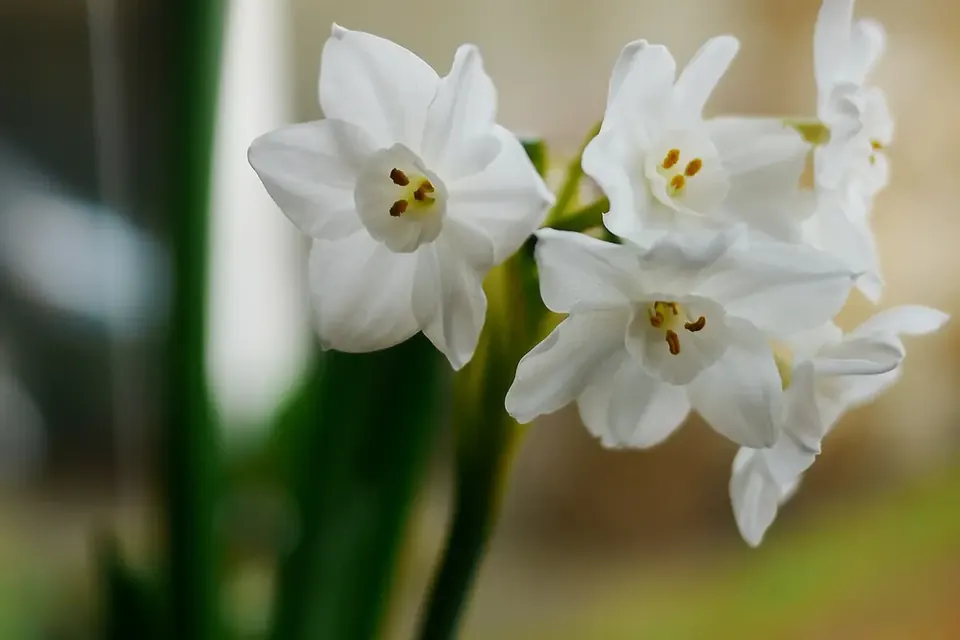
Bulb catalogs keep selling well after the outdoor planting season has closed, and for a good reason: some bulbs are meant to flower on a windowsill in the middle of winter. Growers call this forcing. It works, and it is one of the easiest ways to have flowers in January, but only if the bulb you order matches the time and the cold storage you can give it. A tulip bought in December and potted straight into a warm room will mostly give you leaves.
Two kinds of forcing bulb
Penn State Extension divides forcing bulbs into two groups: those that need a period of cold before they will flower, and those that do not. All the hardy spring bulbs, such as tulips, daffodils, hyacinths and crocuses, need chilling. Amaryllis and paperwhites do not. Everything about ordering follows from which group a bulb belongs to.
| Bulb | Cold needed before forcing | From potting (or end of chilling) to flowers |
|---|---|---|
| Amaryllis (Hippeastrum) | None | About 6 to 12 weeks after potting, depending on variety |
| Paperwhite narcissus | None | About 4 to 8 weeks after potting |
| Hyacinth | 12 to 15 weeks | 2 to 6 weeks after chilling ends |
| Tulip, daffodil, crocus, grape hyacinth | 15 to 17 weeks | 2 to 6 weeks after chilling ends |
| Snowdrop | 10 to 12 weeks | 2 to 6 weeks after chilling ends |
The chilling periods and timings above are those in Penn State Extension's table; individual varieties vary, and a good catalog will say which of its tulips and daffodils are suited to forcing. Penn State also notes that hyacinths and daffodils are usually the easiest of the hardy bulbs to force, and tulips slightly more difficult.
Amaryllis: buy the biggest bulb you can
The amaryllis sold for Christmas is a hybrid of the genus Hippeastrum, from Central and South America. Because it needs no cold, it can be ordered and potted any time from autumn to midwinter, and it is the natural choice if you start late.
Size matters more than with almost any other bulb. University of Minnesota Extension advises choosing the largest bulbs available for the variety you want, because they produce more flower stalks and more blooms in the first year. Catalogs grade amaryllis by circumference in centimetres; compare the same grade between sellers rather than the price per bulb alone. Bulbs should arrive firm and dry, without mould, soft patches or injury. A green bud or leaf tip already showing is normal, and Minnesota counts bright green new growth as a good sign.
You will also see waxed amaryllis: bulbs dipped in wax, often with a stand, that flower without soil or water. They are sold as a gift and do bloom, but the bulb has nothing to grow its roots into and is usually treated as a one-season plant. If you want to keep the bulb for future winters, order a bare bulb or a potted one.
Potting is simple. Minnesota recommends a narrow pot with drainage holes, about an inch wider than the widest part of the bulb and twice as tall, filled with fresh potting mix so that one-third to one-half of the bulb stays above the surface. Water thoroughly, let it drain, put it in a sunny window, and water again when the top two inches of mix feel dry.
Paperwhites: the quickest flowers
Paperwhites are a tender narcissus that needs no chilling. Penn State notes they usually reach stores in November and December, and mail-order sellers ship them through the same weeks. They are often sold by the bag, because they look best planted close together.
Use a pot three to five inches deep, set the bulbs so they almost touch, and cover them until only the tips show. Keep them in a cool, sunny place. Too little light or too much warmth gives tall, floppy stems, which is the most common complaint about paperwhites. Since they flower about four to eight weeks after potting, staggering plantings every couple of weeks through late autumn gives a long run of flowers from one order. Their scent is strong and some people find it unpleasant in a small room; that is worth knowing before you buy a large bag.
Hardy bulbs: plan back from a bloom date
Forcing tulips, daffodils or hyacinths is a project that starts in autumn. Penn State suggests picking the date you want flowers and counting back 14 to 19 weeks, which covers both the chilling and the growth afterwards. For flowers in early February, that means potting in October.
That timetable has two consequences for ordering by mail:
- Order with the outdoor bulbs. Spring bulbs ship from late summer to late autumn, the same window covered in our guide to ordering bulbs by mail. Leftover tulips that turn up in a December clearance can still be planted outdoors, but they are too late for winter flowers indoors.
- Make sure you have somewhere cold. Penn State gives 40 to 45°F as the best chilling temperature, in a refrigerator, cool cellar or unheated garage, kept dark and slightly moist. Pots should never sit near ripening fruit, especially apples, whose ethylene gas can stop the flowers developing.
Pot the bulbs close together, about half a bulb's width apart, with the tips just showing, water them and move them into the cold. When the chilling period is over, bring them into medium light; the pale shoots green up within days, and they can then go into a sunny spot. Moving them out of direct sun once the flowers open makes the display last longer.
Pre-chilled bulbs
Some sellers offer bulbs that have already had their cold treatment in the grower's store, most often hyacinths. University of Missouri Extension notes that specially prepared, pre-chilled hyacinths are sold for forcing into bloom by Christmas and come with their own instructions. They save you the weeks in the refrigerator, but the treatment only holds if the bulbs stay cool until you pot them, so plant them soon after they arrive and follow the supplier's timing. Hyacinth glasses, which hold a single bulb just above water, are designed for exactly these bulbs.
When the box arrives
- Open it the day it comes. Winter parcels can sit in a freezing van or on a porch, and frozen bulbs turn soft and translucent.
- Check each bulb: firm, heavy for its size, no soft or sunken patches. Surface mould on the dry outer skin wipes off; mould on the flesh does not.
- Keep amaryllis and paperwhites cool and dry until potting. Keep pre-chilled bulbs cool, not warm, and pot them first.
- Report damaged or rotten bulbs straight away, with photos. Our checklist for when your plants arrive covers what to note, and our guide to choosing a nursery explains what a fair replacement guarantee looks like.
After the flowers
What happens next depends on the bulb. An amaryllis can flower for years: Minnesota advises cutting off the faded flowers to stop seed forming, leaving the stalk until it yellows, and keeping the plant in sun with regular water and feed so the leaves rebuild the bulb for the following winter. Forced hardy bulbs have spent much of their energy, and many gardeners plant them out in spring and accept that they may take a year or two to flower well again, or treat them as a one-off. Paperwhites forced indoors are generally discarded after flowering.
No cold, no wait: amaryllis and paperwhites. Everything else needs months of planning and a cold, dark corner.
Sources
- Penn State Extension, Forcing flowering bulbs for indoor beauty, including its table of chilling periods.
- University of Minnesota Extension, Growing and caring for amaryllis.
- University of Missouri Extension, publication G6550, Forcing bulbs for indoor bloom.
 Ordering & arrival
Ordering bulbs by mail
Fall and spring bulbs, sizes, storage, chilling in warm zones, and planting depth.
 Ordering & arrival
When your plants arrive
Unpack the same day, check, photograph, water, shade, then plant or pot up.
 Catalogs & suppliers
Choosing a mail-order nursery
Transparency, guarantees, inspection certificates, reviews and warning signs.