Choosing a mail-order nursery or seed company: guarantees, reviews and regulations
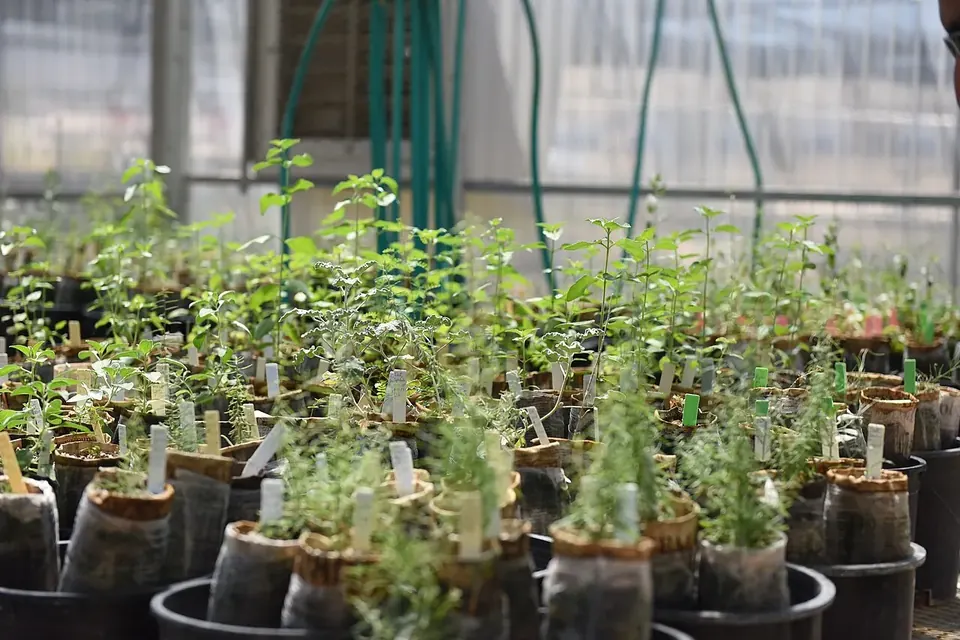
There are hundreds of mail-order nurseries and seed companies in the United States, from family farms that grow everything they sell to large retailers that buy in from wholesalers. Neither is automatically better. What matters is whether a supplier is transparent, honest about its plants, careful with shipping and fair when something goes wrong. This guide gives you the questions to ask.
Grower, re-seller or marketplace?
| Type | Strengths | Questions to ask |
|---|---|---|
| Grower-nursery or seed farm | Knows the plants; often regional adaptation; can answer detailed questions | Small range; short shipping windows; limited stock |
| Retailer buying from wholesalers | Wide range; frequent sales; polished websites | Where were the plants grown? Who handles problems? |
| Online marketplace sellers | Rare items; low prices | Who is the actual seller, and from which country does the shipment come? |
Marketplaces deserve the most caution. USDA's Animal and Plant Health Inspection Service (APHIS) warns that seeds bought from sellers outside the United States may not meet import requirements, and it has found that some websites that appear to be US-based are operated overseas.
Signs of a good supplier
- A real address and phone number, and people who answer questions before you buy.
- Correct botanical names and cultivar names for every plant.
- Information on where and how plants are grown: in the open field, in containers, in greenhouses, and in which state.
- Clear plant sizes with pot volumes, grades or bulb sizes, and photographs of what actually ships, not only of the mature plant.
- A shipping calendar by zone, with the option to choose a date, and a policy on extreme heat or cold.
- A written guarantee stating what is covered and for how long.
- Honest warnings: plants that spread aggressively, need a pollinizer, or will not be shipped to certain states.
- Packing described: how roots are kept moist, how pots are secured.
Regulation: what protects you, and what does not
State nursery inspection
Nurseries that ship plants are generally inspected by the plant health agency of their state, which certifies that stock is free of regulated pests. Requirements vary: some states require a nursery certificate or a phytosanitary certificate with incoming shipments, and some prohibit certain plants altogether. Oregon, for example, requires plant material shipped out of state to be free of pests, diseases and noxious weeds and to meet the destination state's requirements; California requires out-of-state nursery stock to be inspected on arrival. The National Plant Board publishes state-by-state summaries of these rules. A reputable nursery will mention its inspection and certification, and will know which states it cannot ship certain plants to.
Federal rules on imports
Plants and seeds for planting from other countries are regulated by APHIS. A US buyer who orders them from a foreign e-commerce site is considered an importer and usually needs a PPQ 587 permit; the shipment generally needs a phytosanitary certificate from the exporting country. See our full guide.
Seed labelling
Under federal seed regulations, vegetable seed in small packets that meets the germination standard does not have to show its germination rate, but seed below the standard must be labelled "Below Standard" with its germination percentage. Seed treated with a pesticide must be labelled as treated. Good seed companies print the test date or packing year anyway.
Shipping-time rules
The FTC's Mail, Internet, or Telephone Order Merchandise Rule, which sets the familiar 30-day shipping rule for most mail orders, does not apply to sales of seeds and growing plants. A nursery's own shipping policy is what you rely on, so read it before you pay.
Invasive plants: a supplier's responsibility, and yours
Some popular garden plants escape into wild areas and become invasive. States maintain noxious weed and invasive plant lists, and federal noxious weeds may not be imported or moved interstate without a permit. Responsible suppliers do not ship listed species to states where they are restricted, label aggressive plants clearly, and often suggest native alternatives. Check your state department of agriculture's list, or ask your extension office, before ordering anything sold as "spreads quickly".
Reading reviews well
- Look for reviews over several seasons and from gardeners in a climate like yours.
- Pay attention to comments on plant size on arrival, packing, accuracy of names and how the company handled problems.
- Discount single complaints about a plant that died after months; look for patterns.
- Be wary of sites with only perfect reviews, or "review" sites that only promote one seller.
- Ask local gardeners: extension master gardeners, plant societies and garden clubs know which suppliers deliver in your region.
Warning signs
- Prices far below the market for the same plant and size.
- Impossible plants: blue roses, rainbow-coloured flowers, giant blooms on dwarf plants.
- No botanical names, no sizes, no address.
- Ships anything to anywhere, at any time of year.
- Seeds arriving from abroad in unmarked envelopes that you never ordered. APHIS asks people who receive unsolicited seed packages not to plant them and to contact their state plant regulatory official.
Start small
With a new supplier, place a modest first order of plants you know well. Judge the packing, the size and health of what arrives, and how the company communicates. A supplier who handles a small order well usually handles a large one well too.
The best nursery is the one that tells you what it grows, where, and what to expect.
Sources
- USDA APHIS, How to buy plants and seeds online, and Non-compliant seeds: what you need to know.
- Oregon Department of Agriculture, Exporting plant material to domestic states; California Department of Food and Agriculture, shipping guide for nursery stock.
- National Plant Board, State laws and regulations summaries.
- Federal Seed Act regulations, 7 CFR § 201.29.
- Federal Trade Commission, Business guide to the Mail, Internet, or Telephone Order Merchandise Rule.
 Catalogs & suppliers
Shopper tips for buying plants by mail
Sizes, guarantees, ship dates, payment, and what to do when an order goes wrong.
 Catalogs & suppliers
Plants and seeds across borders
Import permits, phytosanitary certificates, citrus quarantines and state rules.
 Catalogs & suppliers
Choosing and requesting garden catalogs
Seed, bulb, nursery and supply catalogs: how to find, request and judge them.