Starting seeds indoors: timing, light, containers and hardening off
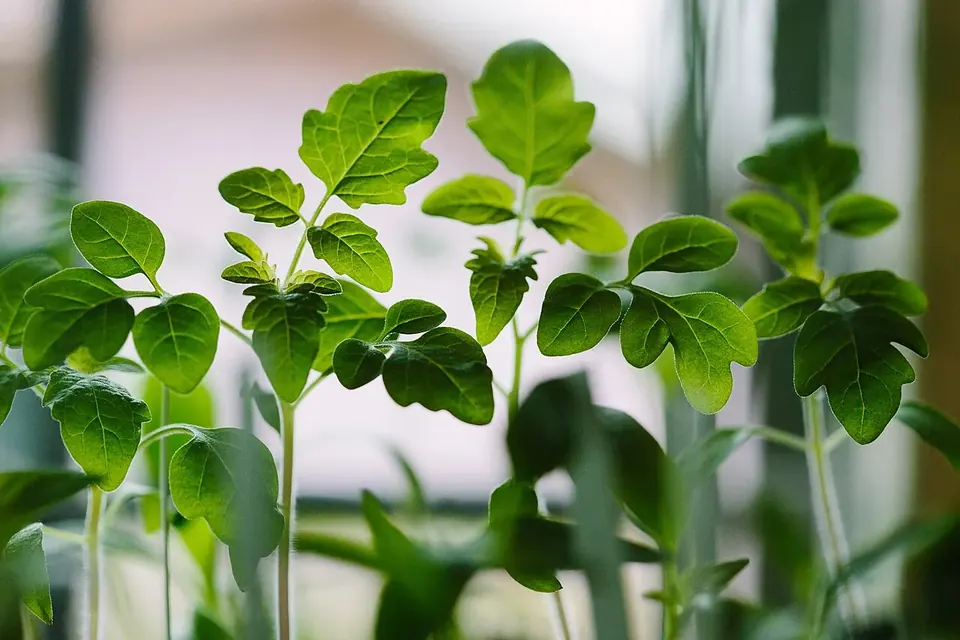
Starting seeds indoors lets you grow varieties you will never find as nursery transplants, and it turns a winter of catalog reading into a head start on spring. It needs only a few things done well: the right timing, a light mix, strong light, and patience while seedlings adjust to the outdoors.
What to start indoors, and what not to
| Usually started indoors | Usually sown directly outdoors |
|---|---|
| Tomatoes, peppers, eggplant | Beans, peas |
| Onions and leeks from seed | Carrots, radishes, beets and other root crops |
| Cabbage, broccoli, cauliflower, kale (early crops) | Corn |
| Many slow annual flowers and perennials | Squash, cucumbers and melons in warm areas (or start late, in pots) |
Root crops generally dislike being transplanted. Fast crops gain little from an indoor start. Seed packets and catalogs usually say which approach suits each crop.
Timing: count back from the last frost
University of Vermont Extension advises using the number of weeks printed on each seed packet, counted back from your average last frost date, the earliest average date to plant outdoors. Look up that date through your state's extension service. Starting too early gives leggy, root-bound plants waiting for warm weather; starting too late loses the advantage. A simple calendar on the wall, with sowing dates written in for each crop, keeps you on track.
Containers and mix
- Containers: cell trays, small pots or clean recycled containers, all with drainage holes and a saucer or tray beneath. Clear domes keep humidity high until germination.
- Mix: a fine, sterile seed-starting mix, coir or peat pellets, moistened before sowing. UVM warns against garden soil, which is too heavy for germinating seeds in containers and may carry disease.
- Clean equipment: wash reused trays and pots to reduce disease.
- Labels: label every row or cell with variety and sowing date.
Sowing
- Fill containers with moist mix and firm gently.
- Sow at the depth on the packet; a common rule is about two to three times the seed's diameter. Some seeds, such as many lettuces and some flowers, need light to germinate and should be pressed onto the surface.
- Sow two or three seeds per cell and thin later to the strongest.
- Cover with a dome or plastic to keep moisture in, and place somewhere warm; many vegetable seeds germinate fastest in warmth, and a heat mat helps tomatoes and peppers.
Light: the make-or-break factor
A sunny window rarely gives enough light in late winter, and seedlings stretch towards it, becoming weak and pale. UVM recommends running artificial lights 14 to 16 hours a day and keeping fixtures only a few inches above the seedlings, raising them as the plants grow. Ordinary LED shop lights work well; specialised grow lights are not essential for seedlings. A timer makes it effortless.
Watering and air
- Keep the mix evenly damp, not soggy. Bottom-watering, letting trays soak up water from beneath, avoids disturbing seeds.
- Remove domes as soon as seedlings emerge; excess humidity encourages rot.
- Gentle air movement from a small fan strengthens stems and reduces disease.
Damping off is a fungal disease that makes seedlings collapse at the soil line. Prevent it with clean containers, sterile mix, good drainage, air flow and not overwatering. Once seedlings have collapsed they cannot be saved, so remove them and improve conditions for the rest.
Thinning, feeding and potting up
- When seedlings have their first true leaves, thin to one per cell by snipping extras at soil level, which avoids disturbing roots.
- UVM suggests feeding with a half-strength fertiliser once true leaves appear.
- Move fast growers such as tomatoes into larger pots when roots fill the cell. Tomatoes can be planted deeper than before; most other seedlings should stay at the same depth.
Hardening off
Seedlings raised indoors have never felt sun, wind or cool nights. Moving them straight outside can scorch and stunt them. Over one to two weeks:
- Start with an hour or two outdoors in a sheltered, partly shaded spot.
- Gradually increase time outside and exposure to sun each day.
- Bring plants in if nights are cold, especially warm-season crops.
- Water carefully; small pots dry quickly outdoors.
- After a week or two, leave them out overnight if temperatures allow, then transplant.
Transplanting
Plant out on an overcast day or in the evening, water well, and protect from late frosts, wind and slugs. Warm-season crops such as tomatoes and peppers should wait until after your last frost date, when nights are reliably warm. Cool-season crops such as cabbage and onions can go out earlier.
Leftover seed
Most packets contain more seed than you need. Store leftovers sealed, cool and dry, and test old seed before relying on it: see how long seeds last and how to test germination.
Troubleshooting
| Problem | Likely cause | Fix |
|---|---|---|
| Tall, pale, floppy seedlings | Too little light, or too warm | Lower the lights, lengthen the day, cooler room |
| Seedlings collapse at the base | Damping off | Remove affected plants; improve air flow, water less |
| Nothing comes up | Old seed, too cold, too deep, or mix too wet | Test germination; check depth and warmth |
| Yellowing lower leaves | Hunger or overwatering | Feed lightly; let mix dry slightly between waterings |
Ordering seedlings instead
If you lack space or light, many mail-order nurseries sell vegetable and herb transplants, shipped at the right time for your zone. Order slow, warm-season crops such as tomatoes, peppers and eggplant this way, and sow fast or direct-sown crops yourself. Choose ship dates after your last frost, and unpack and harden off transplants on arrival as you would your own.
Strong light, gentle water, slow hardening off.
Sources
- University of Vermont Extension, Seed starting basics.
- Iowa State University Extension, How to store seeds and test germination rates.
 Seeds & saving
How to read a seed catalog
Days to maturity, F1 or open-pollinated, disease codes and what the packet must tell you.
 Seeds & saving
How long seeds last
Viability by crop, cool and dry storage, and a ten-minute germination test.
 Growing what arrives
Planning a vegetable garden
Sun, soil, frost dates and a sowing calendar: turning catalog wishes into a plan.