Seed saving basics: which seeds to save, isolation, harvesting and drying
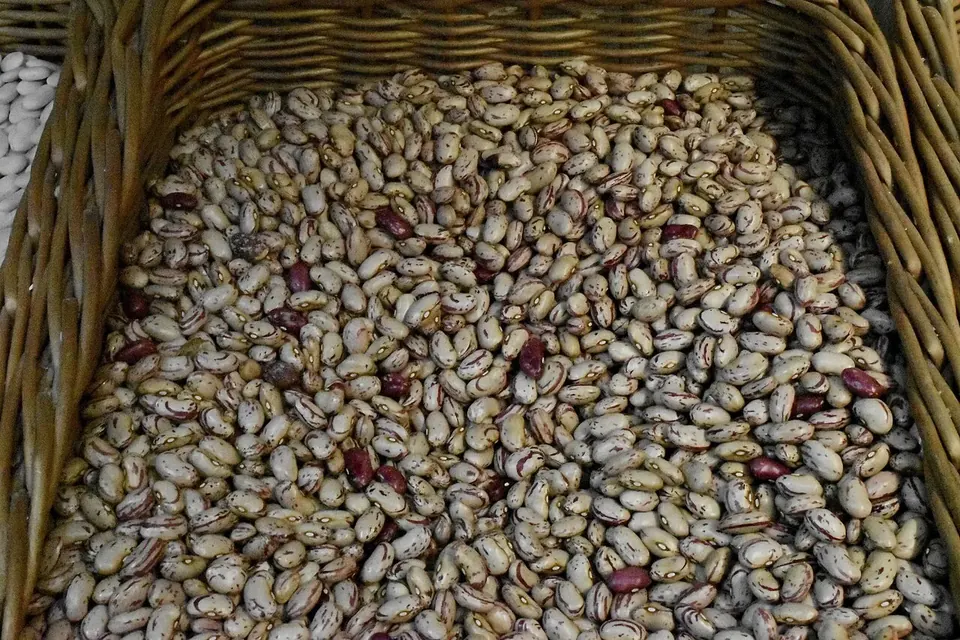
Every seed catalog is built on seed someone saved. Saving your own lets you keep varieties you love, adapt them slowly to your garden, and share them with neighbours. It is easier than it sounds, if you start with the right crops and understand one thing: how the plants are pollinated.
Which varieties to save
Save seed from open-pollinated varieties, including heirlooms. They produce seed that grows into plants like the parent, as long as they have not been crossed with another variety. F1 hybrids are the result of a deliberate cross between two parent lines; University of Illinois Extension explains that seed saved from hybrids usually does not look like the parent plant, which makes hybrids poor choices for seed saving. Catalogs mark hybrids as "F1" or "hybrid": see how to read a seed catalog.
Some varieties are protected by plant variety protection certificates or patents, which limit what you may do with their seed, particularly selling it. Catalogs usually mark protected varieties; check before sharing or selling seed you have saved.
The easiest crops to start with
Illinois Extension lists peas, beans, lettuce and tomatoes as easy crops for beginners. They are annual and largely self-pollinating, so they need little isolation and you only need a few plants to get good seed.
| Crop | Pollination | Suggested isolation for seed saving | Harvest |
|---|---|---|---|
| Pea | Self | 10–20 ft | Dry pods on the plant |
| Common bean | Self or insect | 10–20 ft | Dry pods on the plant |
| Lettuce | Self | 10–20 ft | Dry, fluffy seed heads |
| Tomato | Self or insect | 10–50 ft | Wet seed from ripe fruit, fermented |
| Pepper | Self or insect | 300–1,600 ft | Seed from fully ripe fruit |
| Squash, pumpkin, cucumber, melon | Insect | 800 ft to ½ mile | Seed from fully mature fruit |
| Corn, spinach, beet | Wind | 800 ft to 1 mile | Dry seed; hard to isolate in gardens |
Distances are those in the Illinois Extension guide, drawn from Seed Savers Exchange recommendations; for most crops they are ranges, and the right distance depends on the variety and on what your neighbours grow.
Understanding isolation
Different species do not cross with each other: a cucumber will not cross with a squash, despite the folk belief. But different varieties of the same species can: two kinds of summer squash, or a summer squash and a pumpkin of the same species, will cross freely, and the next generation's plants will be a mix. The fruit you eat this year is not affected, only the seed inside it. There are three ways to isolate:
- Distance: grow only one variety of a crop, or keep varieties as far apart as the crop needs.
- Time: stagger sowings so varieties do not flower at the same time.
- Barriers: cover flowers or whole plants with bags or row covers, and hand-pollinate with a small brush.
Choosing plants to save from
- Save from several healthy, typical plants rather than one, to keep genetic diversity, especially for cross-pollinated crops.
- Choose plants with the traits you want: flavour, earliness, disease resistance, and for leafy crops, slowness to bolt.
- Grow enough plants for both eating and seed.
Harvesting: dry and wet seed
Dry seed
Beans, peas, lettuce, onions, carrots, corn, many herbs and flowers. Let seeds mature and dry on the plant as far as possible. Illinois Extension advises cutting seed heads of small, light seeds just before they are fully dry to prevent losses, then finishing the drying on a screen in a single layer in a cool, ventilated place, or in paper bags. Shell, sieve or winnow away the chaff.
Wet seed
Tomatoes, cucumbers, melons and other fleshy fruits. Let fruit ripen fully, past the eating stage for cucumbers and squash. For tomatoes, Illinois Extension recommends fermentation:
- Scoop seeds and gel into a jar with a little water.
- Leave for two to four days, stirring daily; a film of mould on top is normal.
- Viable seed sinks; pour off the floating pulp and poor seed.
- Rinse the good seed and spread it thinly on a paper towel or fine screen to dry completely.
Drying, labelling and storage
- Dry seed thoroughly before storing: damp seed moulds or loses viability quickly.
- Store in paper envelopes; for long-term storage, Illinois Extension suggests paper envelopes inside a glass jar, which is pest-proof.
- Label each envelope with crop, variety, date and any notes such as "isolated" or "possible cross".
- Keep in a cool, dry, dark place. See how long seeds last for storage and germination testing.
Sharing seed
Seed swaps, library seed collections and seed-saving organisations are a way to share varieties and find new ones. When sharing, label honestly: say whether the seed might be crossed, and include growing notes. If you send seed by mail to other states or countries, remember that plant health rules apply; see plants and seeds across borders.
Common beginner mistakes
- Saving seed from hybrids and expecting the same plant next year.
- Harvesting fruit too early: seed must be mature, which for squash and cucumbers means well past eating ripeness.
- Storing seed before it is completely dry, which leads to mould.
- Saving from a single plant, which narrows the variety over time.
- Forgetting to label, and losing track of which seed is which.
Start with peas, beans, lettuce and tomatoes, and label everything.
Sources
- University of Illinois Extension (2021), How to save seeds, including the isolation distance chart from Seed Savers Exchange.
- University of Illinois Extension, Open-pollinated vs. hybrid: an important distinction when saving seeds.
- Seed Savers Exchange, Isolation distances.
 Seeds & saving
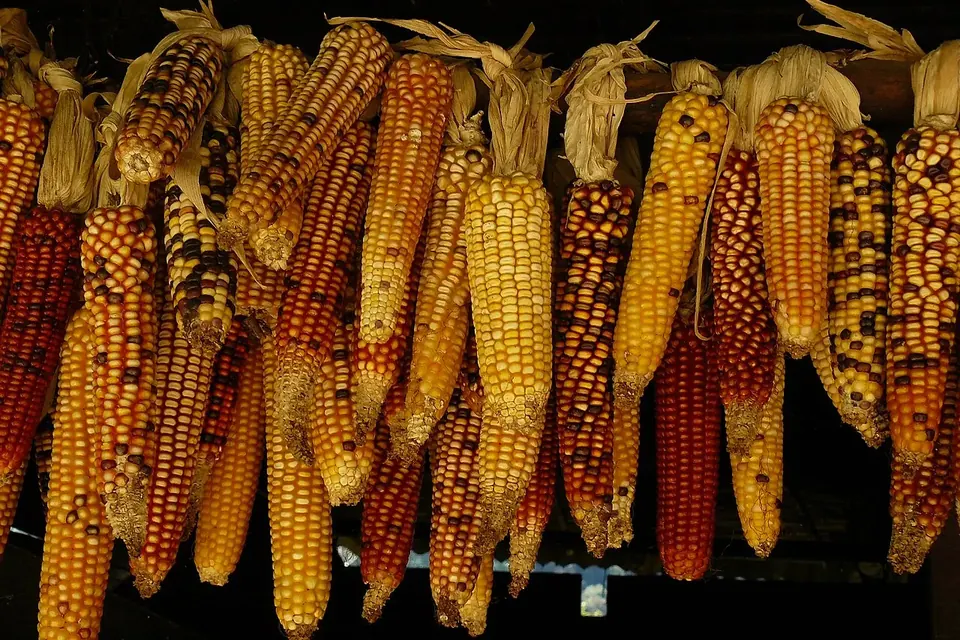
How long seeds last
Viability by crop, cool and dry storage, and a ten-minute germination test.
 Seeds & saving
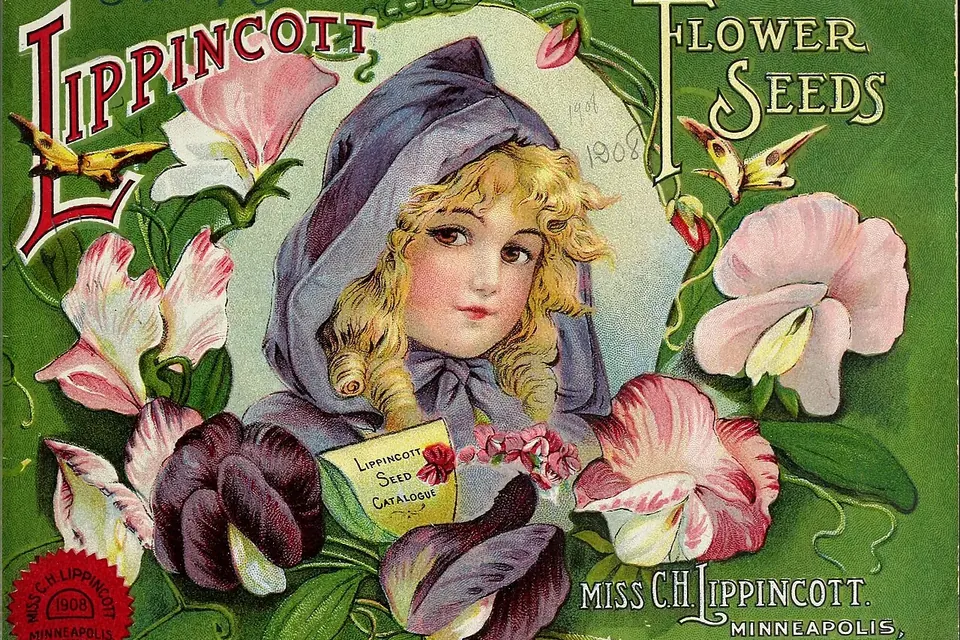
How to read a seed catalog
Days to maturity, F1 or open-pollinated, disease codes and what the packet must tell you.
 Seeds & saving
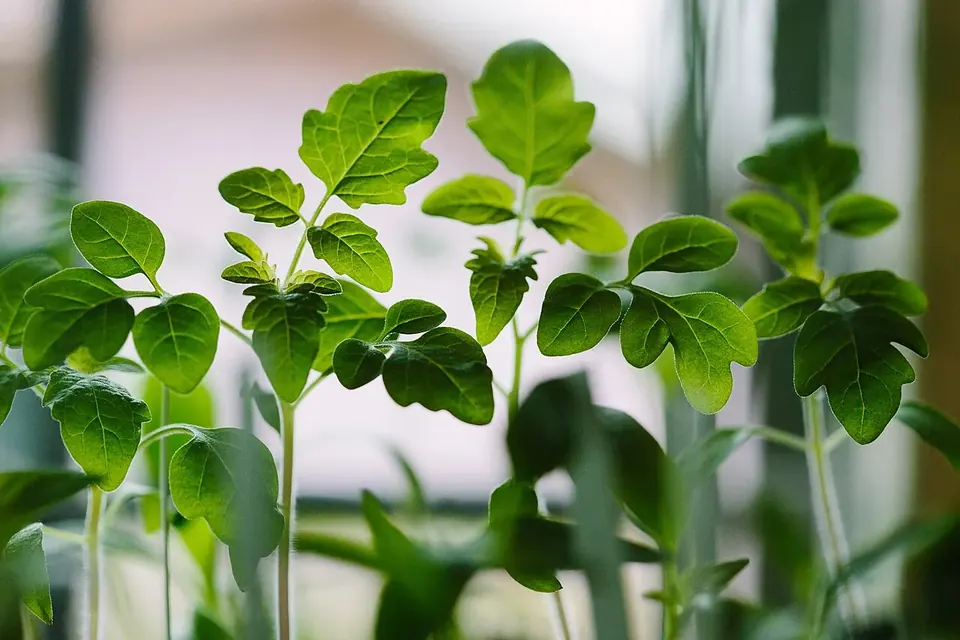
Starting seeds indoors
Count back from frost, give strong light, avoid damping off, harden off slowly.